EcoFlow DELTA 3 vs BLUETTI Elite 100 V2

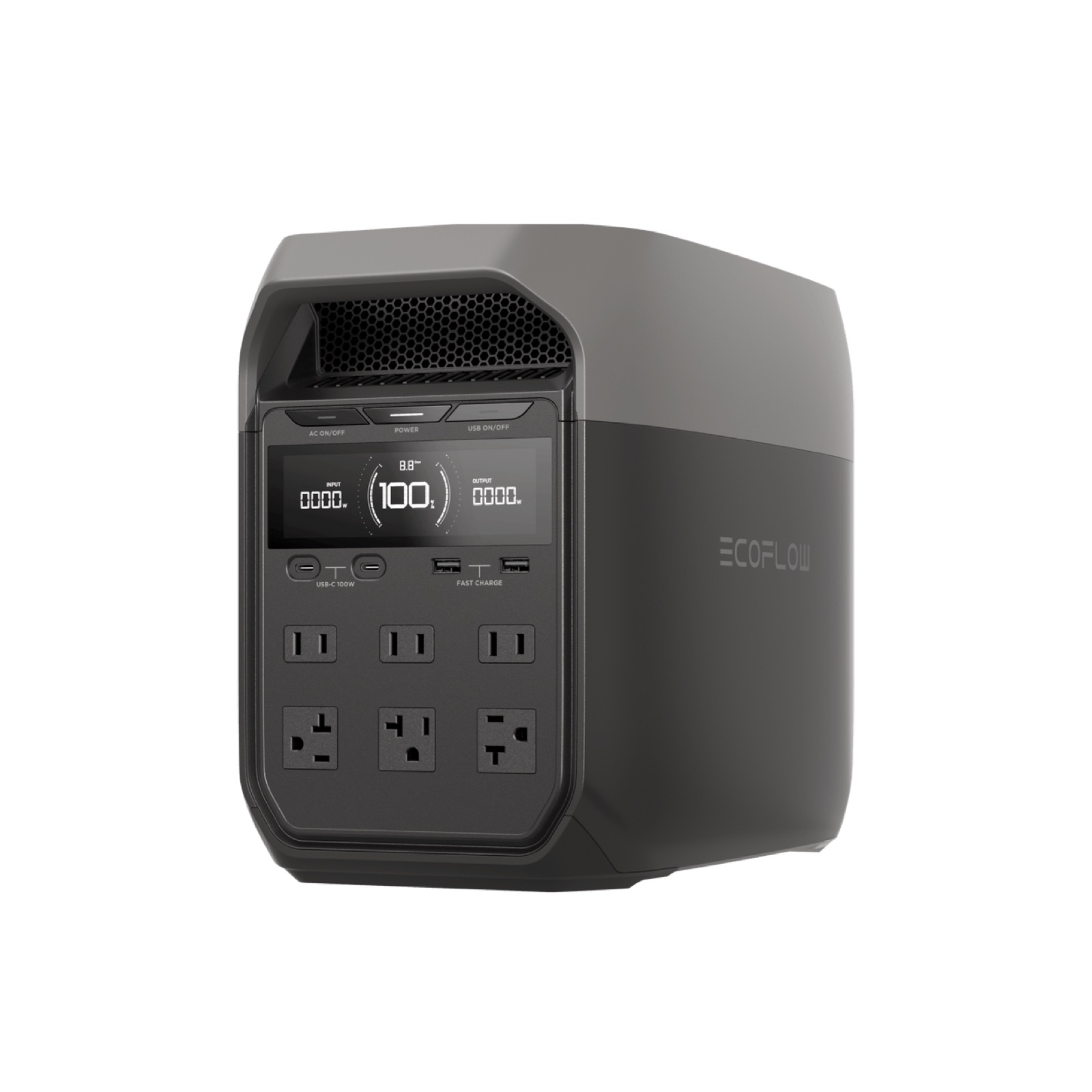 EcoFlow DELTA 3
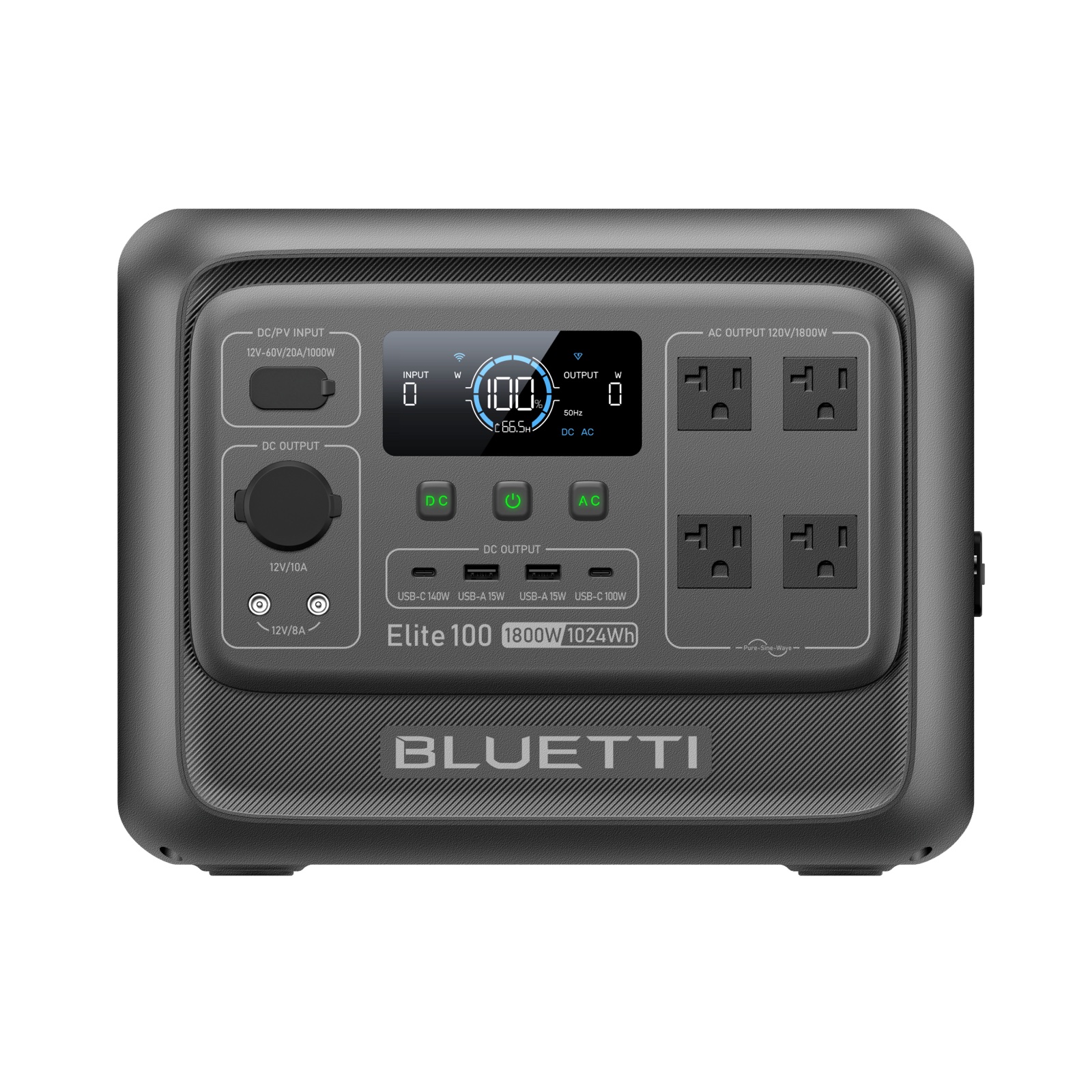 BLUETTI Elite 100 V2
The Elite 100 V2 accepts 100% more solar input, and that is the gap worth deciding on: it refills faster off-grid on a good day. They are level on capacity, AC output and weight. Both score around 6.7 out of 10 here.
PowerStationFacts takes part in the Amazon Services LLC Associates Program. When you buy through a link on this page we may earn a commission, and the price you pay does not change.
BLUETTI Elite 100 V2It leads by 100% on maximum solar input. That is the combination most people are actually choosing between.
Check price on AmazonEcoFlow DELTA 3It leads by 25% on wall recharge time. Those are the axes to buy it for, and the only ones.
Check price on AmazonThe specifications side by side
| Specification | DELTA 3 | Elite 100 V2 |
|---|---|---|
| Score | 6.7/10 | 6.8/10 |
| Capacity | 1,024 Wh | 1,024 Wh |
| AC output | 1,800 W | 1,800 W |
| Surge | 3,600 W | 3,600 W surge, 2,700 W Lifting Power |
| Cell chemistry | LFP | LiFePO4 |
| Cycle life | 4,000 cycles to 80% | 4,000 cycles to 80% |
| Wall recharge | 56 minutes | 1.2 hours |
| Max solar input | 500 W | 1,000 W |
| UPS switchover | 10 ms | 10 ms |
| Weight | 27.6 lb (12.5 kg) | 25.0 lb (11.5 kg) |
| Extra batteries | Expandable to 5,000 Wh | Not expandable |
The rows worth your attention are the ones where the gap is large enough to change a decision. On this pair that means maximum solar input and wall recharge time. Everything else is close enough to ignore.
Where they really separate: maximum solar input
This is the one gap large enough to decide the question. The Elite 100 V2 comes out 100% ahead on maximum solar input, and the reason that matters is practical rather than arithmetic.
Maximum solar input sets how fast the pack refills off-grid on a good day. The voltage window matters as much as the wattage, since it decides which panels can be wired at all.
The other differences, in order of size
- Wall recharge time. The DELTA 3 leads by 25%.
None of these is decisive on its own. Taken together they describe two units built to slightly different briefs, which is worth knowing before you choose on the headline figure alone.
What each one will run
Same arithmetic for both: usable watt hours after an assumed 85% inverter efficiency, divided by average draw rather than peak.
EcoFlow DELTA 3
| Appliance | Typical draw | Estimated run time |
|---|---|---|
| Fridge | 120 W | 20 h 43 min |
| CPAP machine | 45 W | 19 h 21 min |
| Router and modem | 15 W | 58 h 2 min |
| Television | 90 W | 9 h 40 min |
| Microwave | 1200 W | 0 h 44 min |
BLUETTI Elite 100 V2
| Appliance | Typical draw | Estimated run time |
|---|---|---|
| Fridge | 120 W | 20 h 43 min |
| CPAP machine | 45 W | 19 h 21 min |
| Router and modem | 15 W | 58 h 2 min |
| Television | 90 W | 9 h 40 min |
| Microwave | 1200 W | 0 h 44 min |
For your own appliance and its real wattage, the run time calculator shows the assumptions on screen and lets you move them.
Common questions
Is the DELTA 3 or the Elite 100 V2 better value?
This site does not print prices, because a stale price is worse than none. Check both on Amazon, then weigh the gap against the differences above. A 100% lead on maximum solar input is worth paying for only if that axis matters to your use.
Can I compare their surge ratings directly?
Not always. BLUETTI's Lifting Power and EcoFlow's X-Boost run appliances above rated output by lowering voltage, which suits a kettle or a heater but not a motor or a computer. A conventional surge rating means something else: a brief tolerance for start-up current. The table keeps each maker's own label attached.