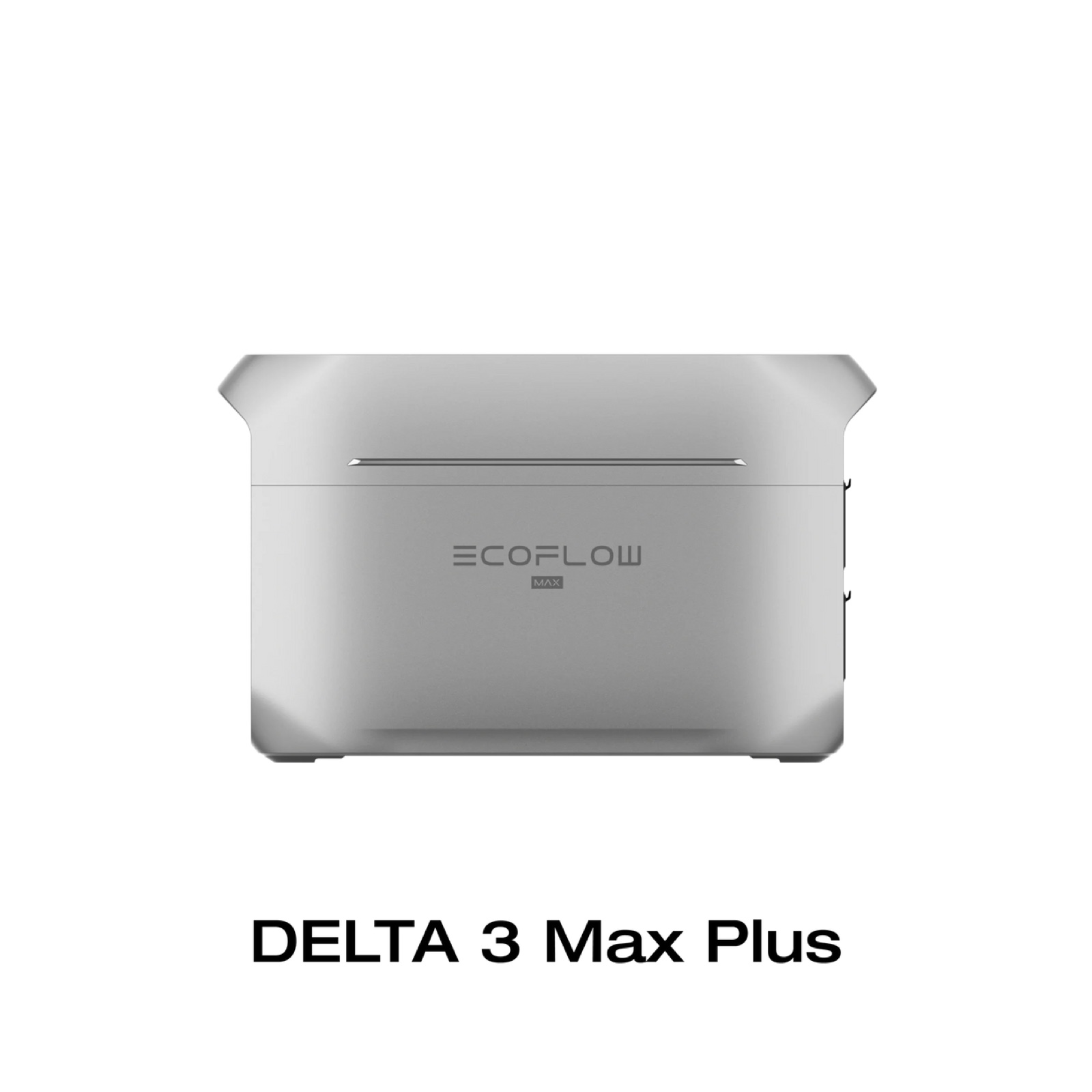

EcoFlow DELTA 3 Max Plus
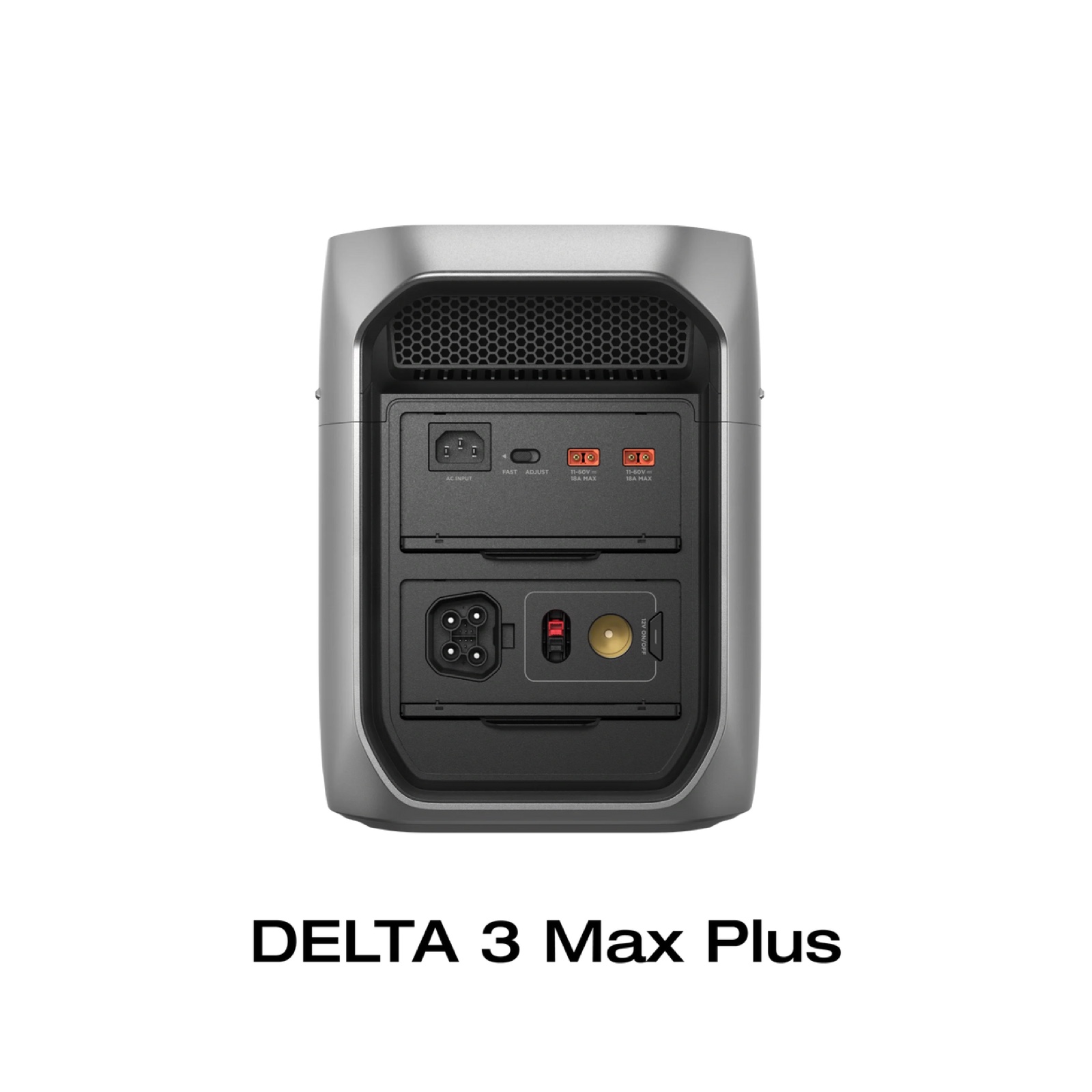
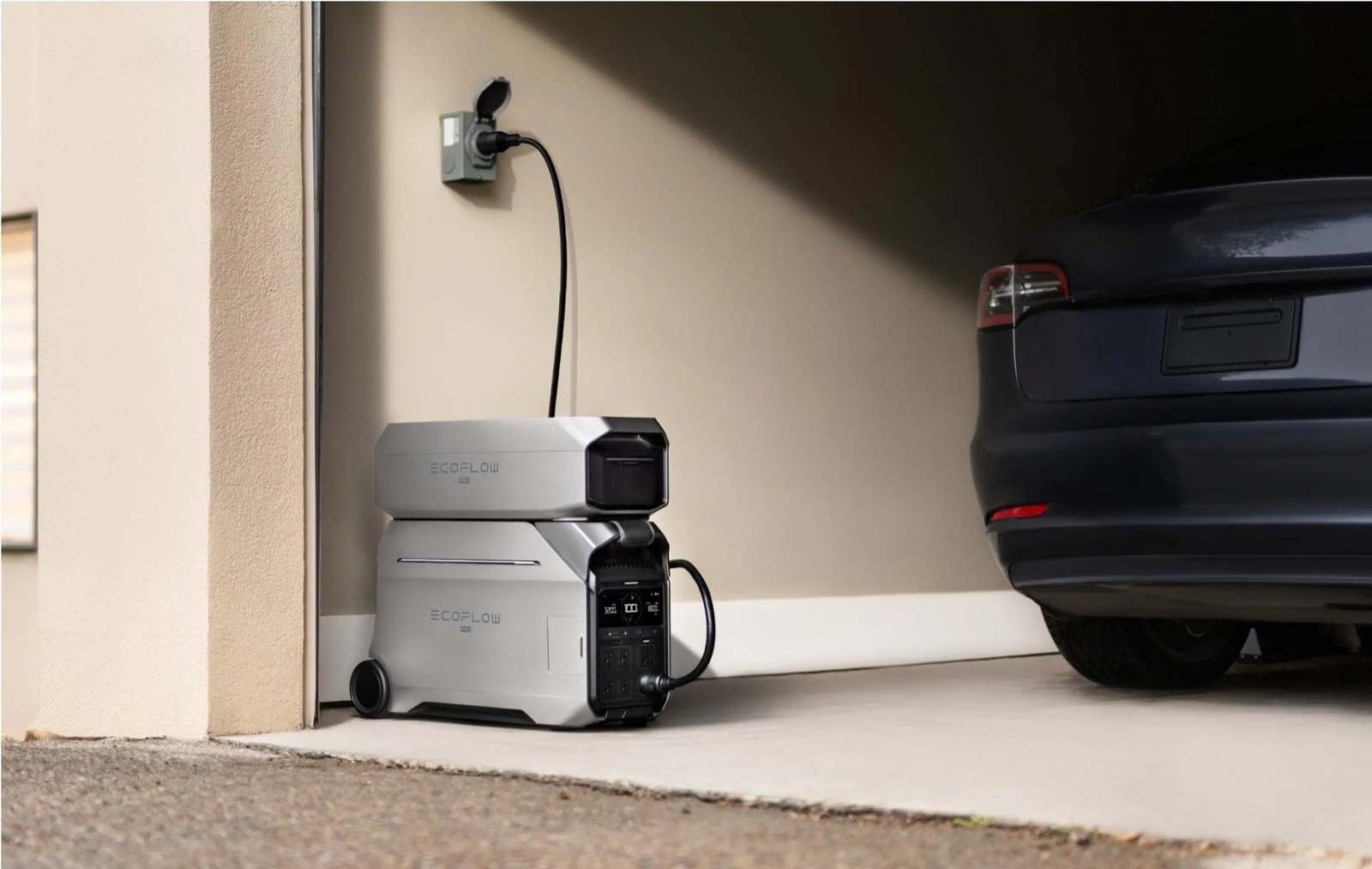
The DELTA 3 Max Plus holds 2,048 Wh behind 3,000 W of continuous AC output. It scores 7.7 out of 10 against the rest of this catalogue, ranking 5 of 9 in its size class. On the numbers, it switches over fast enough to carry a computer through a cut. No published figure stands out as a weakness.
PowerStationFacts takes part in the Amazon Services LLC Associates Program. When you buy through a link on this page we may earn a commission, and the price you pay does not change.
Our score
Ranked 5 of 9 among units from 1,500 to 3,000 Wh
Scored on 85% of the weighting: the maker does not publish every figure.
Scores are calculated from published specifications, not opinion. How the score is built
The full specification
Every figure below is read from the maker's own specification page. Where a value is missing, it is missing because EcoFlow does not publish it, not because it was too much trouble to find.
| Capacity | 2,048 Wh |
|---|---|
| AC output | 3,000 W |
| Surge | 6,000 W |
| Cell chemistry | LFP |
| Cycle life | Not published |
| Wall recharge | 1.1 hours |
| Max solar input | 1,000 W |
| UPS switchover | 10 ms |
| Weight | 48.7 lb (22.1 kg) |
| Extra batteries | Expandable to 10,000 Wh |
Where it is strong, and where it is not
- Backup switchover. On this axis it switches over fast enough to carry a computer through a cut.
- Watt hours per kilo. On this axis it carries more watt hours per kilo than most.
- AC output. On this axis its continuous output covers appliances that stall smaller units.
What it will actually run
These estimates use the same arithmetic as the run time calculator: usable watt hours after an assumed 85% inverter efficiency, divided by the appliance's average draw rather than its peak. The fridge figure assumes the compressor runs about a third of the time, which is what makes it plausible.
| Appliance | Typical draw | Estimated run time |
|---|---|---|
| Fridge | 120 W | 41 h 27 min |
| CPAP machine | 45 W | 38 h 41 min |
| Router and modem | 15 W | 116 h 3 min |
| Television | 90 W | 19 h 21 min |
| Microwave | 1200 W | 1 h 27 min |
Read the rating plate on your own appliance before trusting any of these. The wattages above are common starting points, not measurements of your kit.
The closest alternatives
The units nearest this one in capacity, with their own scores. Capacity is the honest axis to shortlist on: two units of the same size are genuinely substitutable, and everything else is a trade.
| # | Brand | Model | Score | Capacity | AC output | Weight | Actions |
|---|---|---|---|---|---|---|---|
| 1 |  | Anker SOLIX C2000 Gen 2 | 7.8/10 | 2,048 Wh | 2,400 W | 41.7 lb (18.9 kg) | Check price |
| 2 | | Anker SOLIX F2000 (PowerHouse 767) | 6.9/10 | 2,048 Wh | 2,400 W | 67.2 lb (30.5 kg) | Check price |
| 3 |  | BLUETTI AC200L | 6.8/10 | 2,048 Wh | 2,400 W | 62.4 lb (28.3 kg) | Check price |
Common questions
How long will the DELTA 3 Max Plus run a fridge?
See the table above. The figure assumes an average domestic fridge and a compressor running about a third of the time. A warm room, a full shelf of fresh shopping or a door that keeps opening all push the real duty cycle up and the run time down.
Can I add capacity later?
Yes, this model accepts an expansion battery. That matters more than it looks: most people underestimate the size they need, and an expandable unit turns that mistake into an accessory purchase rather than a replacement.