 4.4/10
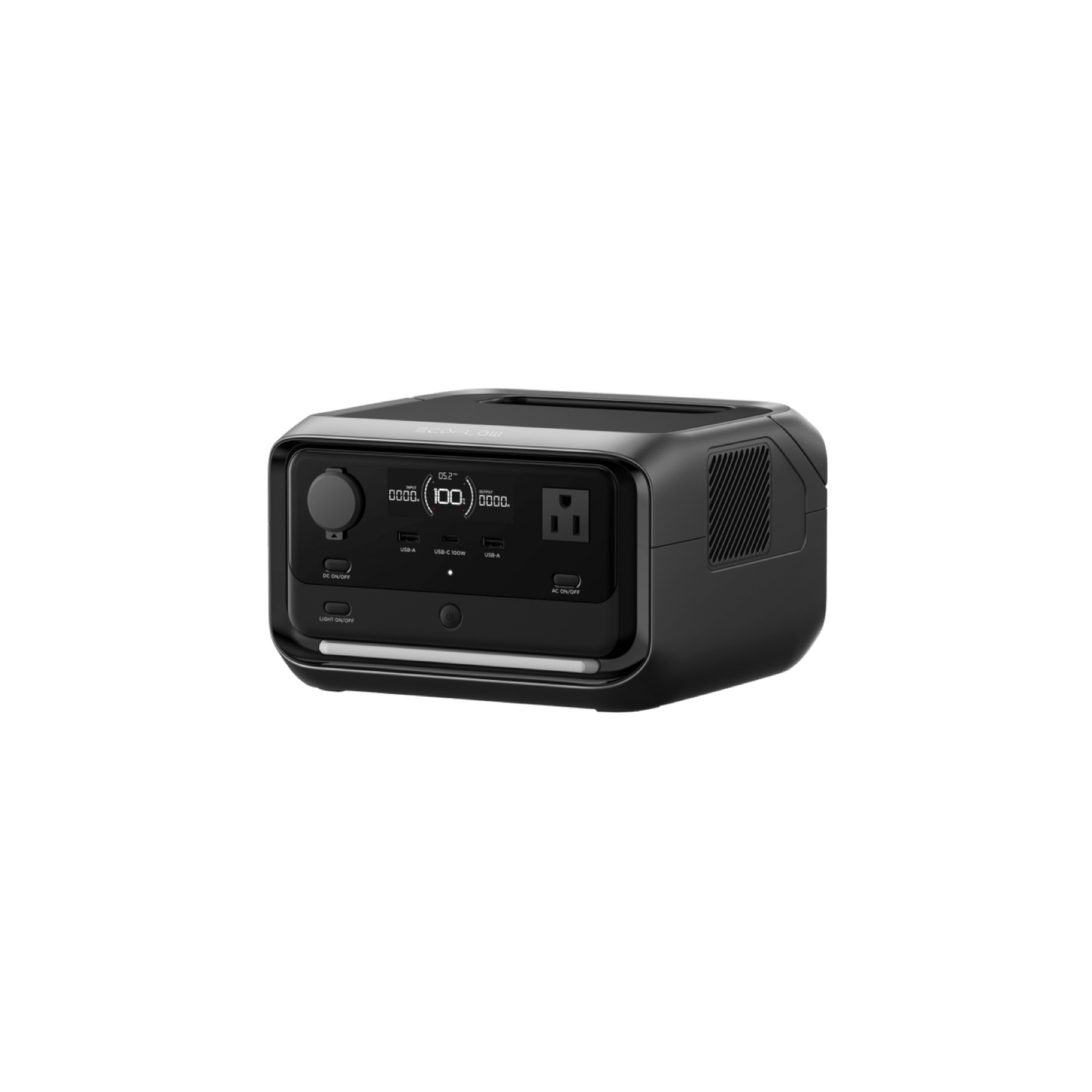
RIVER 3 Plus EcoFlow RIVER 3 Plus
286 WhCapacity600 WAC output10.4 lb (4.7 kg)Weight10 msUPS switchover
A weekend of phones, lights and a camp cool box needs far less than most buyers expect, and the cool box is the only load that decides the answer. Size the unit around it, then check the thing is light enough that you will actually carry it from the car. Around a kilowatt hour covers two or three nights for most tent campers.
PowerStationFacts takes part in the Amazon Services LLC Associates Program. When you buy through a link on this page we may earn a commission, and the price you pay does not change.
Everything else a camper plugs in is small. Phones, a head torch, a speaker, a tablet, a string of lights: add a whole weekend of them together and they still come to less than one night of running a compressor cool box. So the sizing question is not what you might plug in, it is how many nights of cooling you want.
A compressor cool box does not draw power continuously. It runs, reaches temperature, stops, and starts again when the box warms up. Over a day it is drawing for roughly a third of the time, and that fraction moves the estimate more than the wattage printed on the lid does. A hot afternoon, a box opened every twenty minutes and a thin lid all push it up. Shade, a full box and a lid that stays shut pull it down.
This is why two people with identical equipment report wildly different run times. They are not disagreeing about the power station. They are camping differently.
The table below shows the calculated run times for one mid-size unit, the Anker SOLIX C1000 Gen 2, across the standard appliance set this site uses. A domestic fridge is a fair stand-in for a large compressor cool box, and it is the row to read first.
| Appliance | Typical draw | Estimated run time |
|---|---|---|
| Fridge | 120 W | 20 h 43 min |
| CPAP machine | 45 W | 19 h 21 min |
| Router and modem | 15 W | 58 h 2 min |
| Television | 90 W | 9 h 40 min |
| Microwave | 1200 W | 0 h 44 min |
Note what the microwave row tells you. High-draw appliances are not impossible on a unit this size, they are simply expensive in minutes. Boiling water or heating food is a burst activity, measured in minutes per day, and that is how it should be planned. Anyone intending to cook electrically at camp for a week is not shopping for a power station, they are shopping for gas.
The figures assume an inverter efficiency, because no maker publishes theirs. The method page states the assumption used and why.
Lithium cells hold less charge when they are cold. A unit left outside the tent through a frosty night will deliver noticeably less in the morning than the same unit kept warm, and the loss is not permanent: it returns as the pack warms up. Plan for it rather than be surprised by it.
The harder limit is charging. Most units refuse to charge below freezing, by design, because charging a cold lithium cell damages it. On a cold, clear morning that is exactly when your panels are producing and the unit will not accept the input. The fix is dull and effective: bring it into the tent or the car overnight, and let it warm before you ask it to charge.
Cold also punishes the cool box from the other direction, in a way people forget. In freezing weather the box barely has to run, so the same power station lasts far longer. The bad case is a hot weekend, not a cold one.
A power station that lives in the boot because nobody wants to carry it is a wasted purchase. Before comparing capacity figures, decide honestly how far the unit travels from the car: a few steps to a pitch beside the vehicle, or a walk across a field with the rest of the kit.
There is a real threshold at around the weight of a heavy suitcase. Below it, one adult moves the unit with one hand and thinks nothing of it. Above it, it becomes a deliberate two-handed carry and gets left behind. Capacity and weight track each other closely, because the cells are the mass, so this is a straight trade rather than a specification some makers get right and others get wrong.

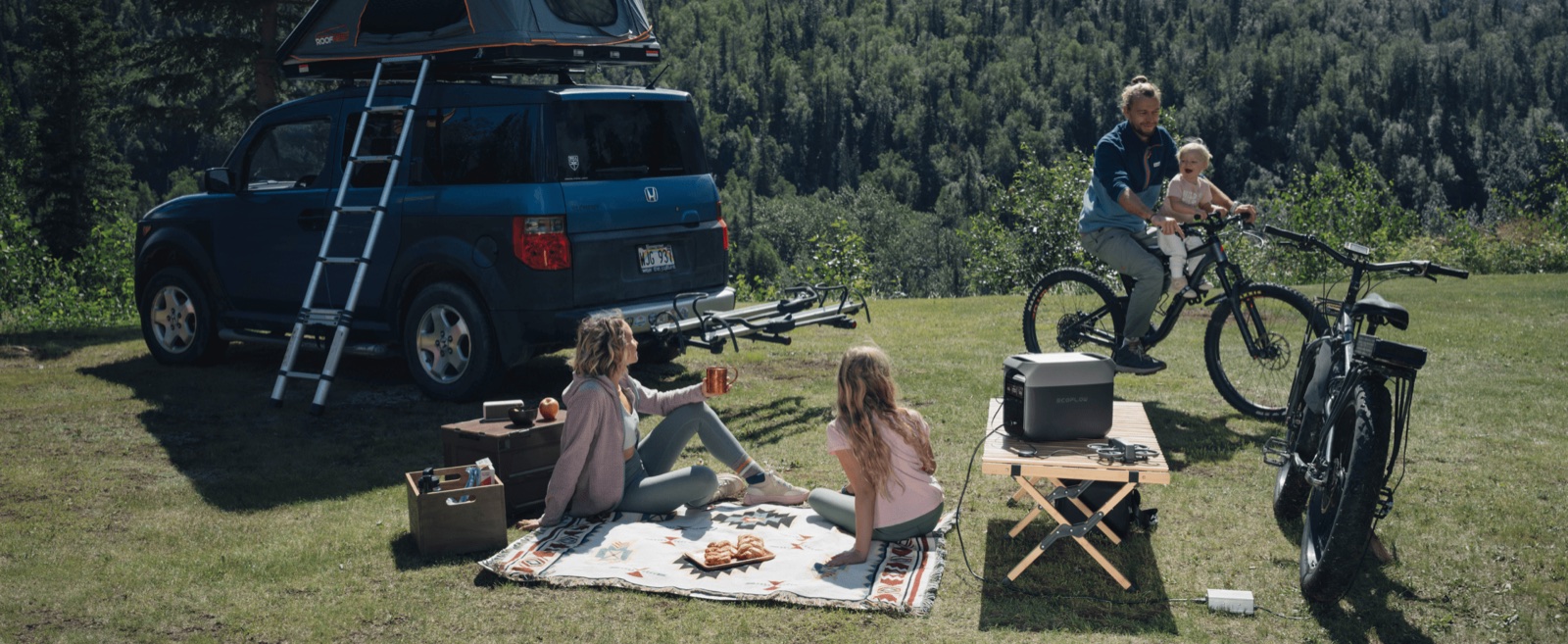
For tent camping where everything is carried. The EcoFlow RIVER 3 Plus weighs 10.4 lb (4.7 kg) and holds 286 Wh. That will not run a cool box for a weekend, and it is not meant to. It keeps phones, lights, a camera and a tablet alive for several days in a bag you can still lift with two fingers, and it is Expandable to 858 Wh if you later decide you want the cool box after all.
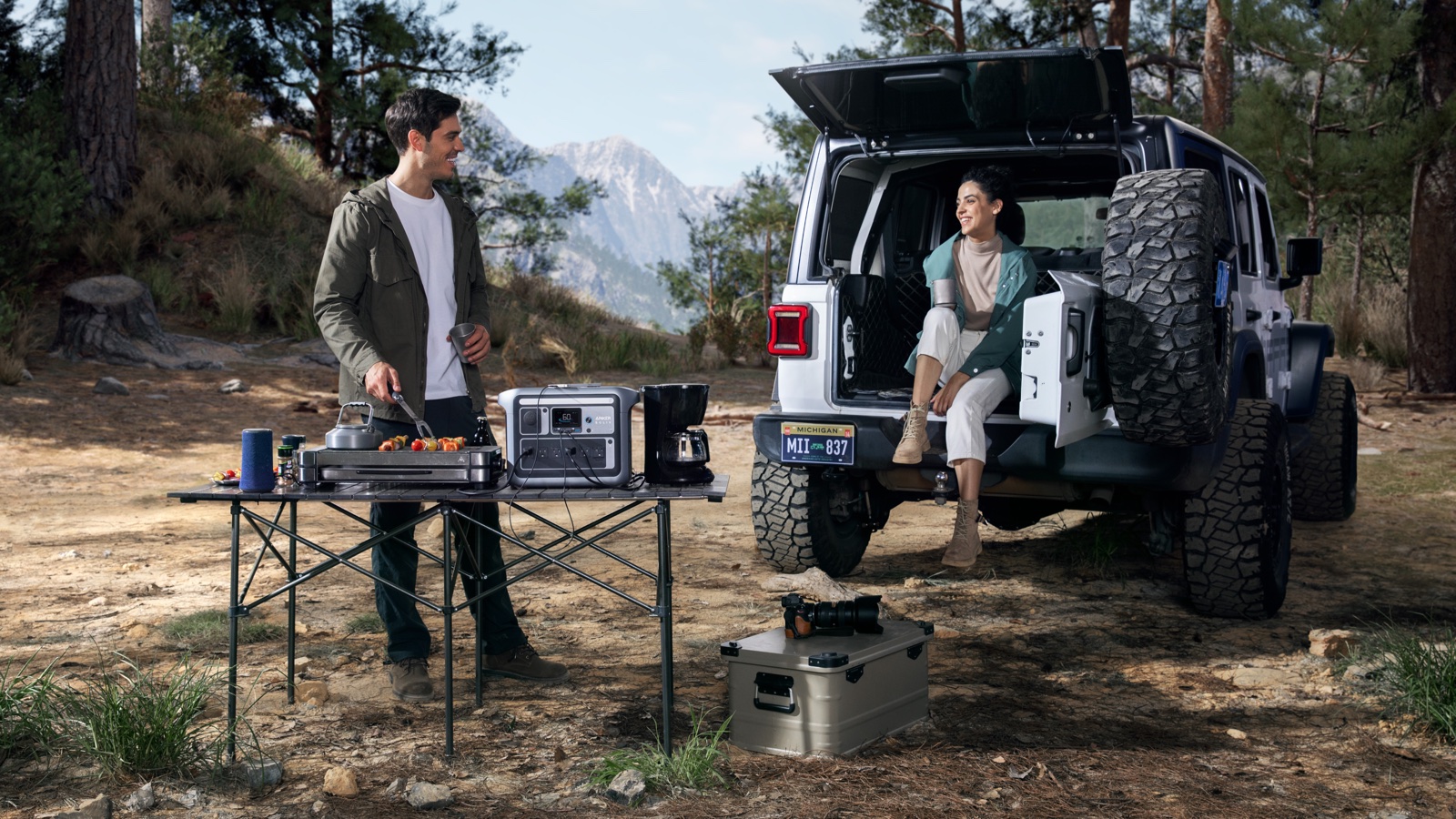
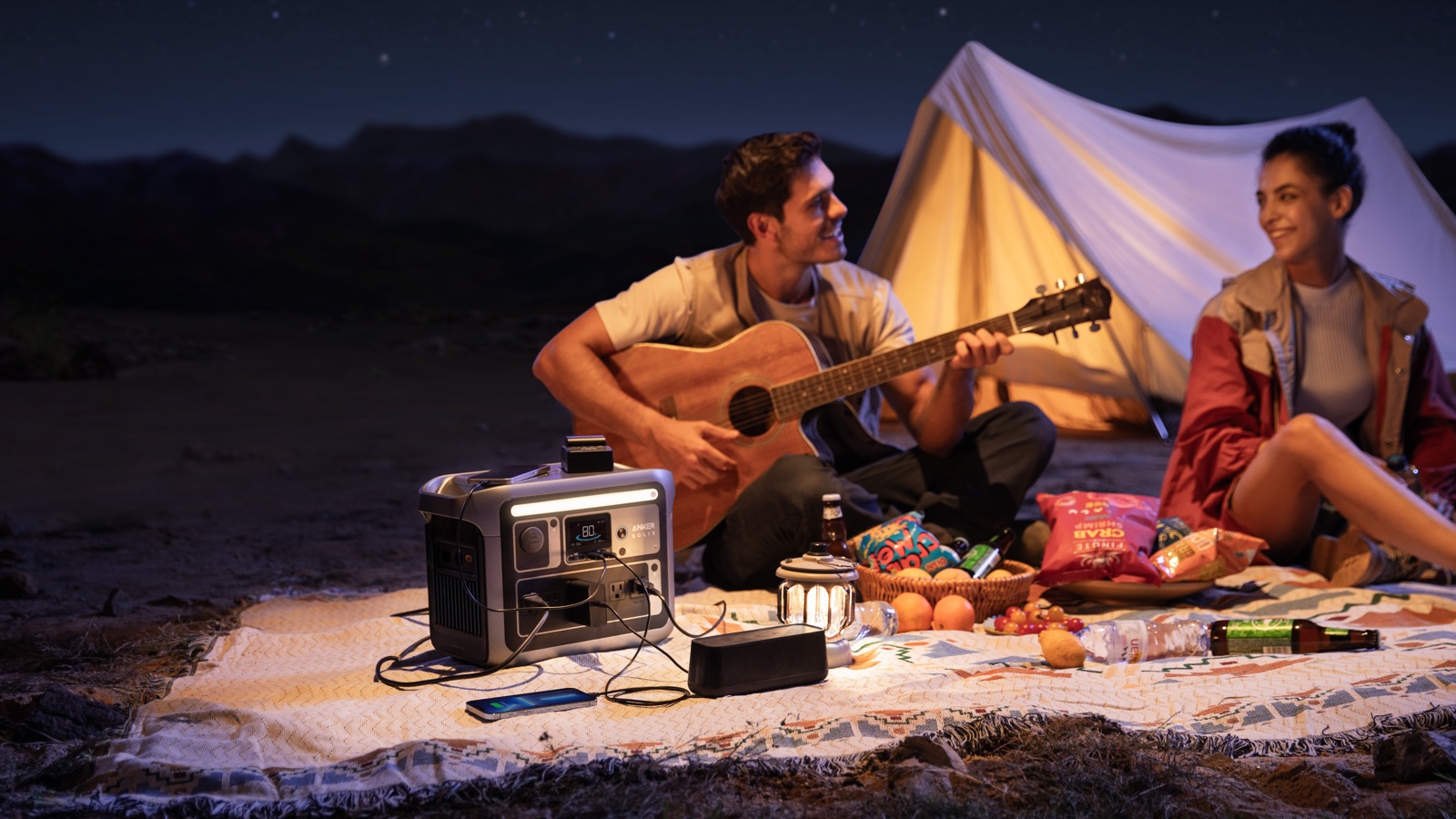
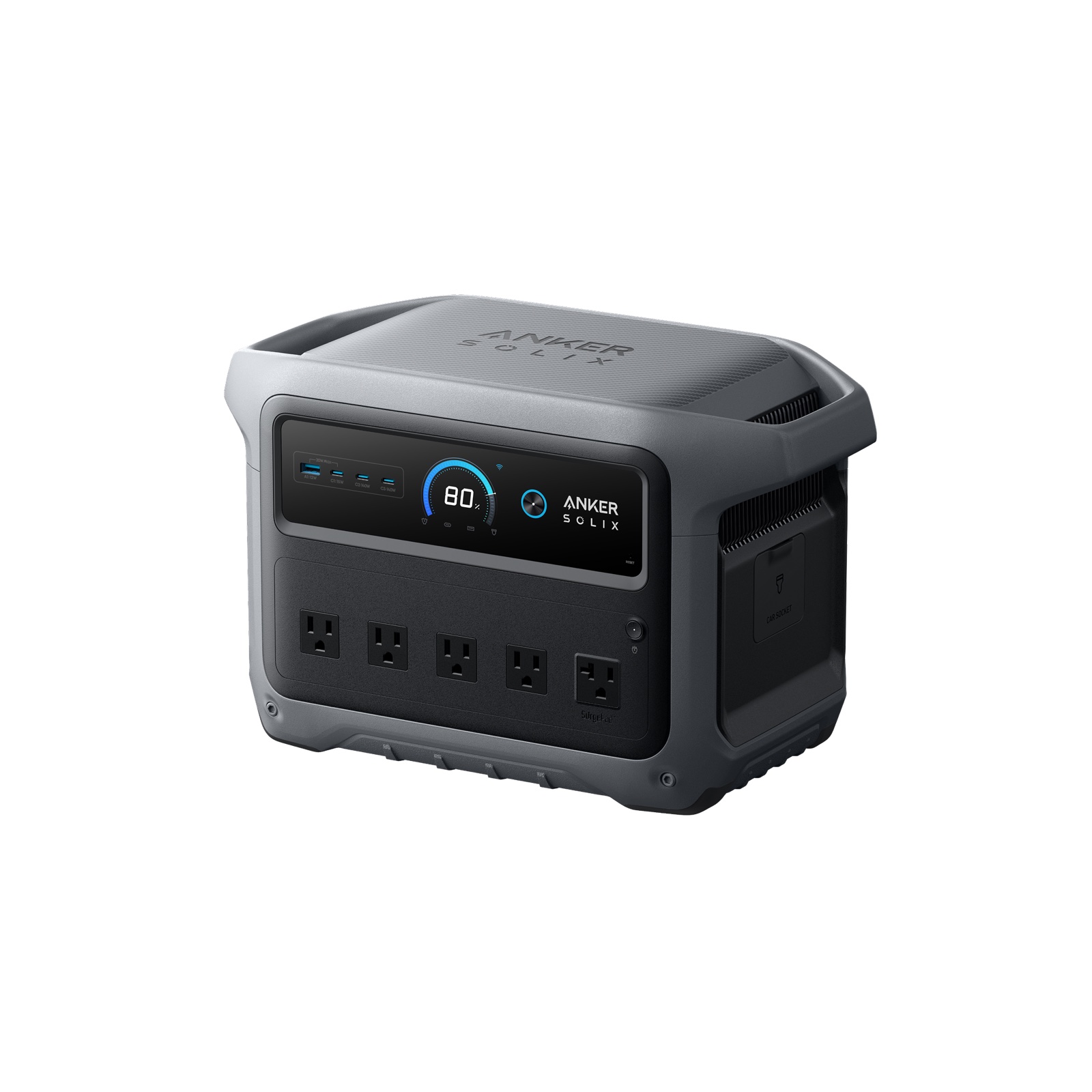
4.4/10For car camping with a cool box. The Anker SOLIX C1000 Gen 2 holds 1,024 Wh at 24.9 lb (11.3 kg), which is the sweet spot for this use: enough for two or three nights of cooling plus everything small, and light enough to move without planning. It delivers 2,000 W continuous, so a kettle or an air pump is not a problem, and it refills from a socket in 49 minutes when you get home. It is Not expandable, so buy the size you need.
 7.0/10
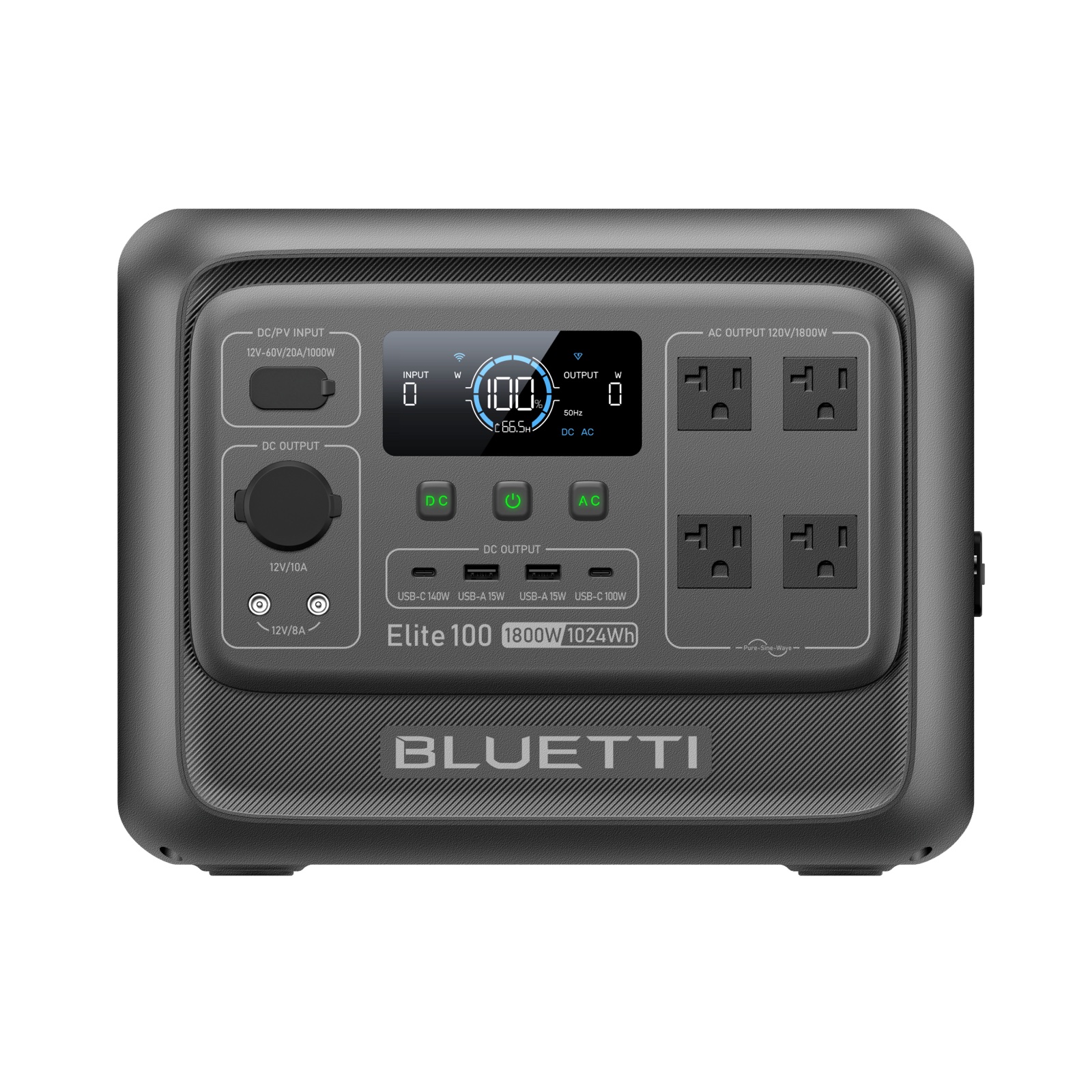
For camping that runs on sunlight. The BLUETTI Elite 100 V2 carries the same capacity class at 25.0 lb (11.5 kg), but accepts up to 1,000 W of solar input against 600 W for the Anker. On a trip longer than a weekend, that input ceiling is what decides whether you come home with a flat unit. Its cells are rated for 4,000 cycles to 80%.
 6.8/10
Three options exist at a campsite, and they are not equivalent.
Solar is the only one that makes a trip open-ended, but the published input ceiling is a maximum, not a rate you will see. Panels laid flat, in haze, or partly shaded produce a fraction of their rating. Compare the ceiling figure between units, then assume real days land well below it, and check the input voltage window before buying panels, since that decides what can be wired to the unit at all.
The car socket works while you drive, and it is slow. It is a useful top-up on a long transfer between sites, not a charging plan.
A campsite hookup post is simply a wall socket, and every unit with a mains input fills at its rated speed from one. If your sites have hookup, solar input matters much less and you should spend the money on capacity instead.
Read the plate on your cool box, your pump and anything else that matters, then put those figures into the run time calculator. It shows the inverter loss and the share of time each appliance actually draws power, instead of hiding both inside a single number. On anything with a compressor, that second assumption changes the answer more than the capacity does.
If the trip is really a van trip rather than a tent trip, the constraints are different enough to be worth reading separately in the van and motorhome guide. If the unit will spend most of the year at home waiting for a power cut, size it for that job instead, in the power cut guide, and treat camping as the bonus.
Only if you plug in something with a wall plug. Phones, cameras and lights charge over USB, and a USB-only unit is lighter and loses nothing to inverter conversion. A mains cool box, a kettle or a pump changes the answer immediately, because those need an outlet and enough continuous output to feed it.
A unit in the kilowatt hour class with a mains inverter will boil a small kettle, several times over. The limit is not usually capacity, it is continuous output: compare the kettle's rating against the unit's continuous figure, not against its surge figure. Camping kettles that draw less are worth the swap.
Yes, through the vehicle socket, and it is slow enough that it should be treated as a top-up rather than a charge. It is genuinely useful on a long drive between sites. Do not leave it drawing with the engine off, since it will flatten the vehicle battery.
Lithium iron phosphate packs, which is what most current units use, are the more thermally stable chemistry, and keeping the unit out of the cold is good for both its capacity and its ability to charge in the morning. Give it air rather than burying it under a sleeping bag, and keep the fan clear if it is charging.
Work it from the cool box, which will be most of the load, then add a small allowance for everything else and a margin for hot weather. For most families a unit in the kilowatt hour class covers two to three nights without solar. Beyond that, either add panels or accept a resupply from a hookup post.