 7.7/10
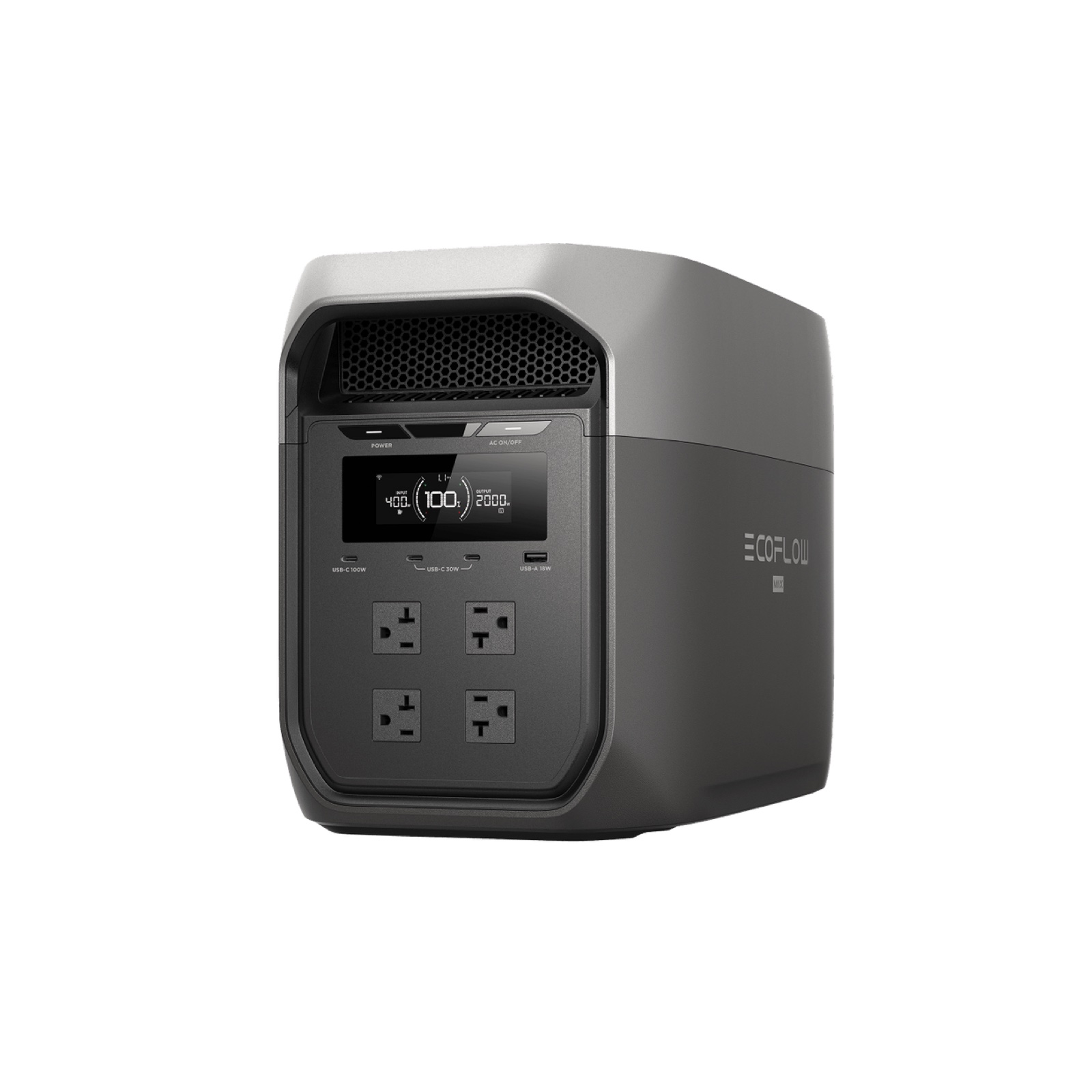
DELTA 3 Max EcoFlow DELTA 3 Max
2,048 WhCapacity2,400 WAC output44.8 lb (20.3 kg)Weight10 msUPS switchover
Make a list of what genuinely has to stay on, which is usually a fridge, the internet, some light and any medical device. Size the pack around the fridge, because its compressor draws far less than its plate suggests. Then check the switchover figure, which decides whether anything notices the cut at all.
PowerStationFacts takes part in the Amazon Services LLC Associates Program. When you buy through a link on this page we may earn a commission, and the price you pay does not change.
The instinct is to ask how much of the house a power station can run. That is the wrong question and it leads to buying either far too much or nothing at all. The right question is which circuits genuinely cannot be without power, and for how long.
For most households the honest list is short. The fridge and freezer, because their contents are worth more than the electricity. The router and a phone, because being cut off makes everything else worse. Enough light to move around safely. A CPAP machine or another medical device, where one exists, which moves straight to the top of the list. In a house with a basement, the sump pump, which is the one item that can turn an inconvenience into a repair bill.
Notice what is not on that list. Heating, cooking and hot water are the loads that make a house comfortable, and they are also the loads no portable unit will carry for any length of time. An electric heater alone will empty a large pack in a couple of hours. Plan to be cold and fed from a gas ring, and spend the capacity on the fridge instead.
A fridge is the load people most often get wrong, in both directions. Its compressor draws a brief spike when it starts, several times its running figure, which is why an undersized inverter trips. But once running, it draws modestly, and it only runs for roughly a third of each hour.
That duty cycle is the single assumption that decides a run time estimate. Treat a fridge as a continuous load and you will conclude a power station is useless. Treat it correctly and a mid-sized unit covers a long outage comfortably.
Here are the calculated run times for the EcoFlow DELTA 3 Max across the standard appliance set.
| Appliance | Typical draw | Estimated run time |
|---|---|---|
| Fridge | 120 W | 41 h 27 min |
| CPAP machine | 45 W | 38 h 41 min |
| Router and modem | 15 W | 116 h 3 min |
| Television | 90 W | 19 h 21 min |
| Microwave | 1200 W | 1 h 27 min |
Two practical notes that cost nothing. Keep the doors shut: a full, unopened fridge holds temperature for hours on its own, so the compressor runs less and the estimate above improves. And run the freezer cold before a forecast storm, because a solid block of frozen food is a battery of its own.
A unit with a UPS function sits between the wall and your equipment, passing mains through and cutting over to its own battery when the supply fails. The published switchover figure is how long that gap lasts.
Desktop computers, routers, games consoles and CPAP machines all ride through a gap of a few tens of milliseconds without noticing, because their own power supplies store enough energy to bridge it. That is what a fast switchover buys: equipment that simply keeps running rather than rebooting. A desktop mid-save, or a CPAP machine at three in the morning, are the cases where it matters.
What it does not buy is protection for the whole house. A power station's UPS function protects the things plugged into that power station, and nothing else. Connecting one to household circuits is a different job, involving a transfer switch and an electrician, and it is not a thing to improvise.
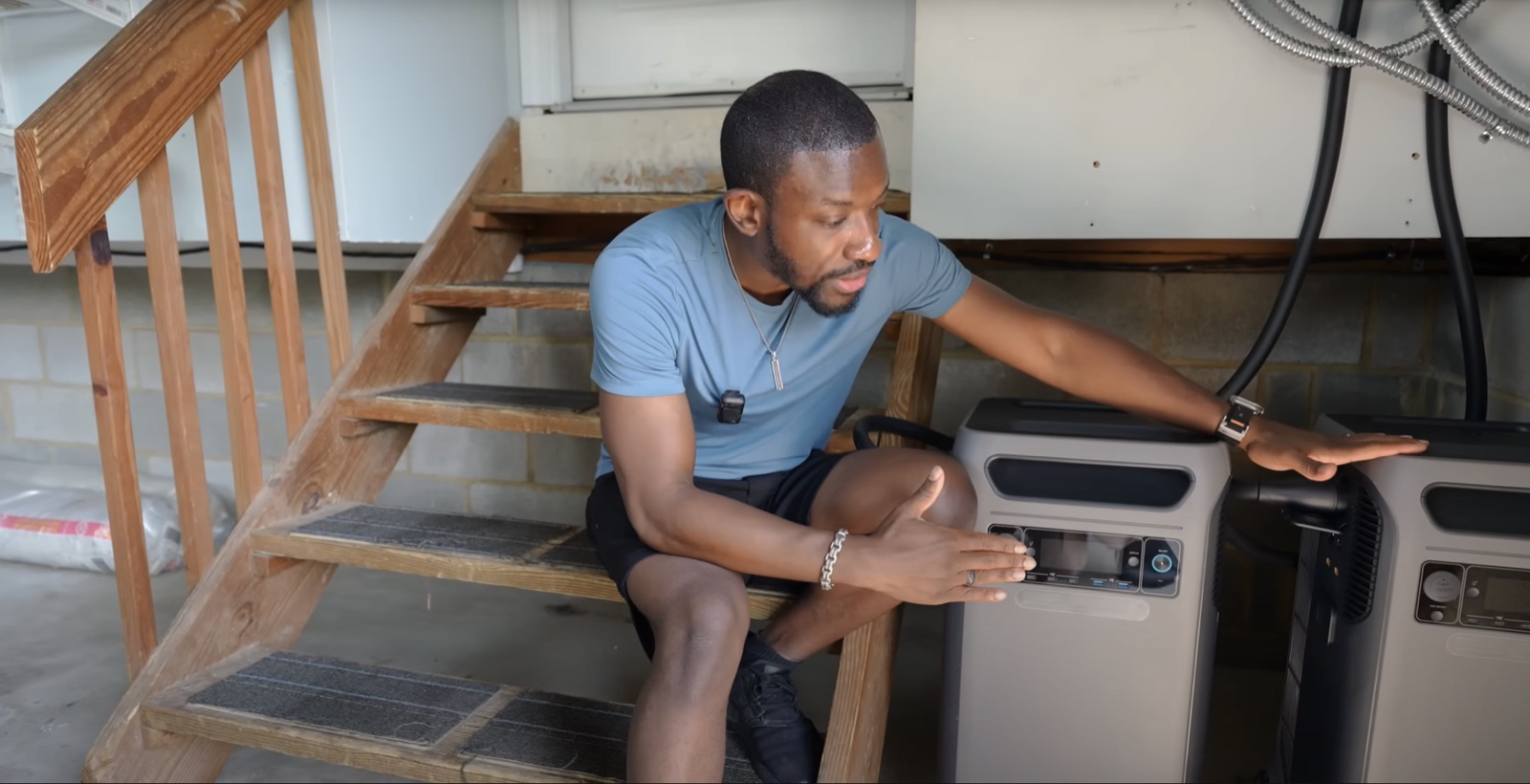
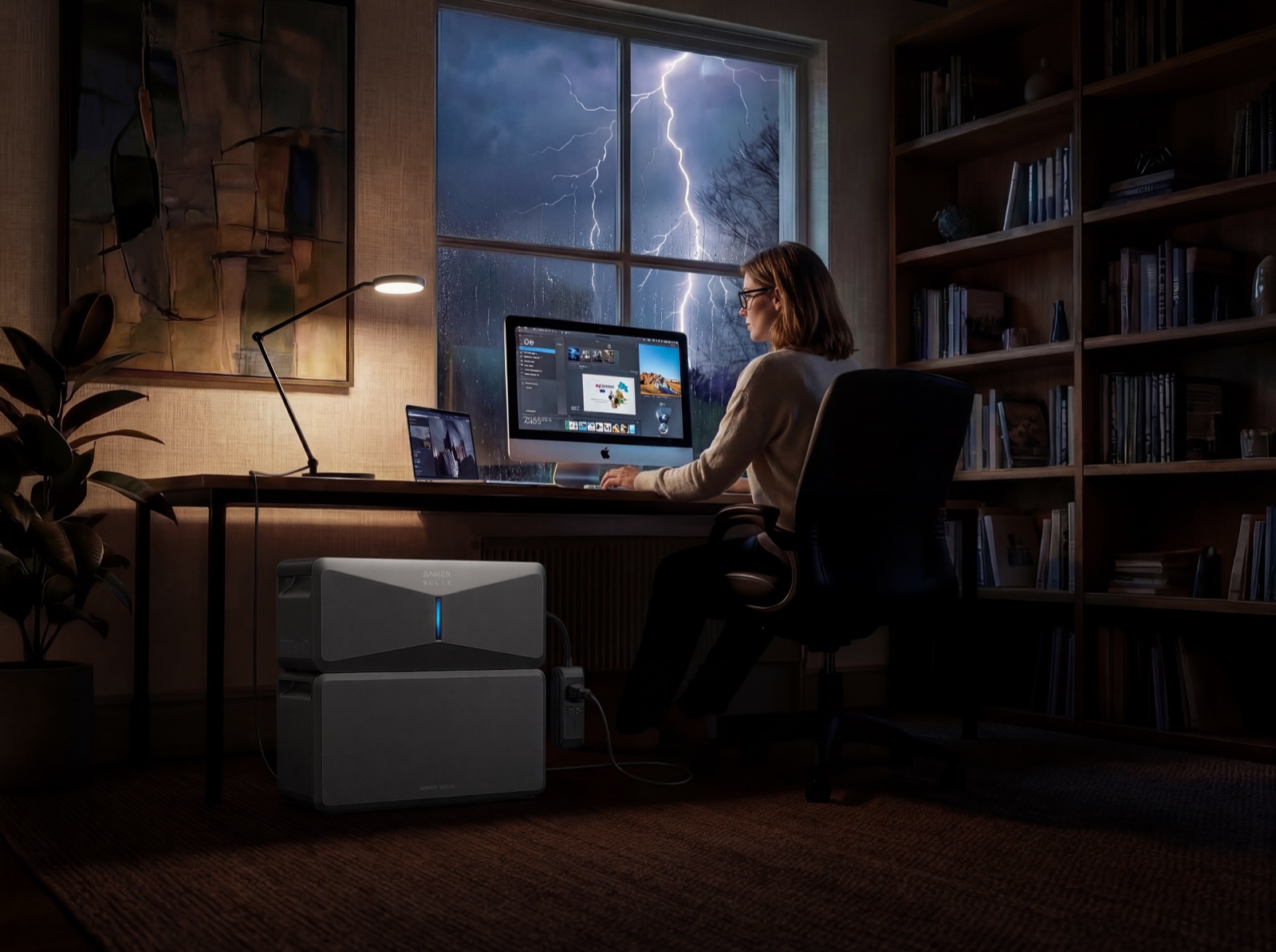
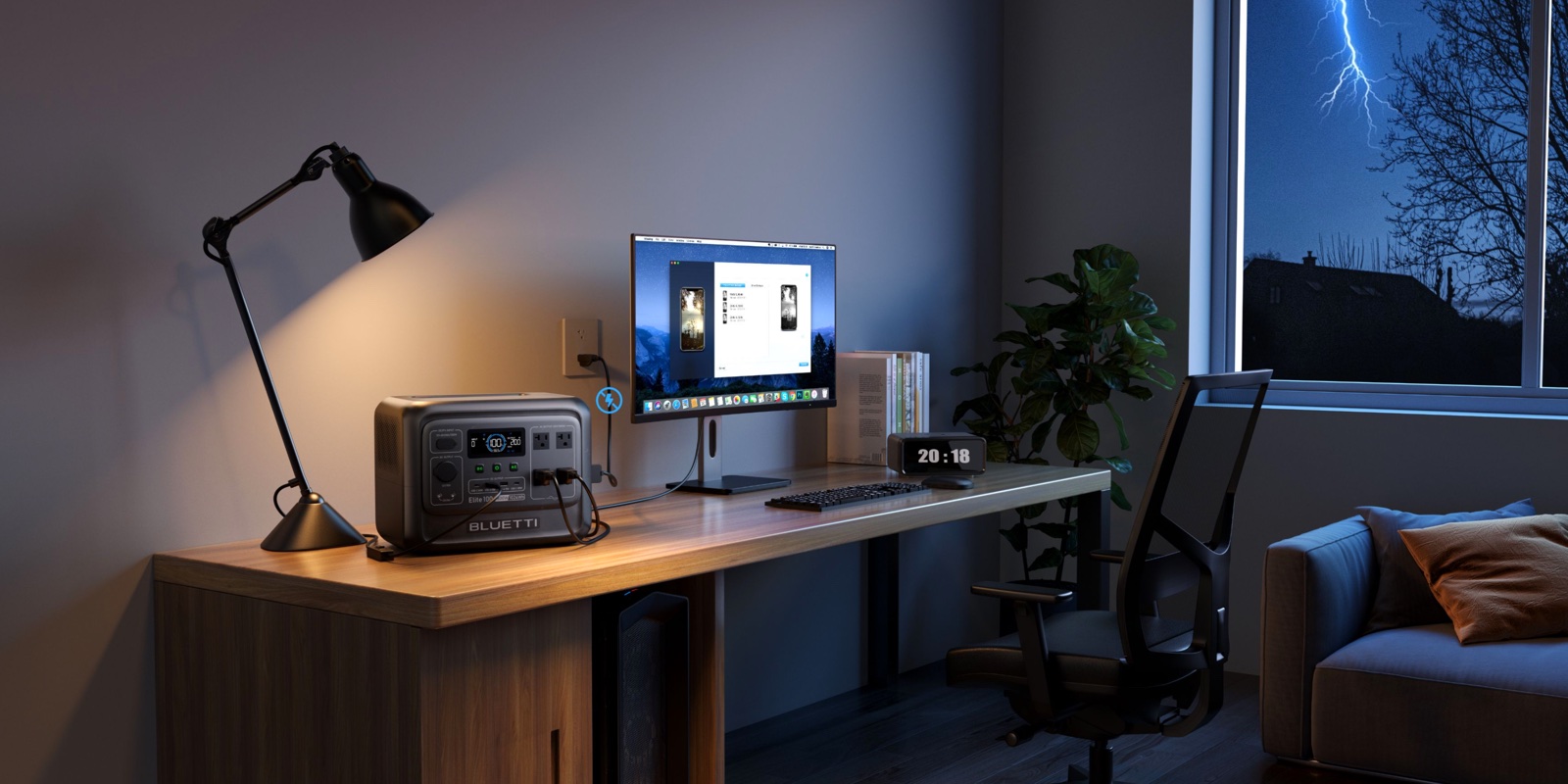

Anything with a motor draws a spike at the instant it starts: a fridge, a freezer, a furnace fan, above all a sump pump. The specification that covers that spike is the surge rating, and here is where two very different numbers get printed in the same row.
A conventional surge rating is a brief tolerance for exactly this start-up current. That is the figure you want when a pump is involved.
Lifting Power from BLUETTI and X-Boost from EcoFlow are something else. They run an appliance above the unit's rated output by lowering the voltage supplied to it. For a resistive load, where less voltage simply means heat arrives more slowly, that works: a kettle, a hotplate, a heater. For a motor it does not. An undervolted motor draws more current, runs hotter and can stall, and undervolting electronics or a medical device is not worth the risk. When your list includes a pump or a furnace fan, compare continuous output and conventional surge, and treat the boosted figure as irrelevant to that decision.
A cut of a few hours and a cut of three days are different purchases. Short cuts are a fridge and a router problem, and a mid-sized unit solves them outright. Multi-day outages after storms are an energy problem, and the answer is either a much larger pack, an expandable one, or a way of refilling while the grid is still down.
Refilling matters more than people expect. Without mains there are two options: a solar array, which works if the outage is not caused by the weather that also brought the cloud, or a car, whose socket delivers a trickle rather than a charge. Neither is fast. A unit that accepts a high solar input is worth real money to somebody in a storm-prone area, and worth nothing to somebody whose cuts last two hours.
Expansion is the hedge. If the honest answer to how long your cuts last is that you do not know yet, a unit that accepts a second battery lets the first winter answer the question without costing the whole machine.
A short cut, a couple of times a year. The EcoFlow DELTA 3 Max holds 2,048 Wh, delivers 2,400 W continuous and switches over in 10 ms. It is Expandable to 10,000 Wh, which is the widest expansion ceiling of these three, and it refills from a wall socket in 1.1 hours so it is ready again quickly once the grid returns.
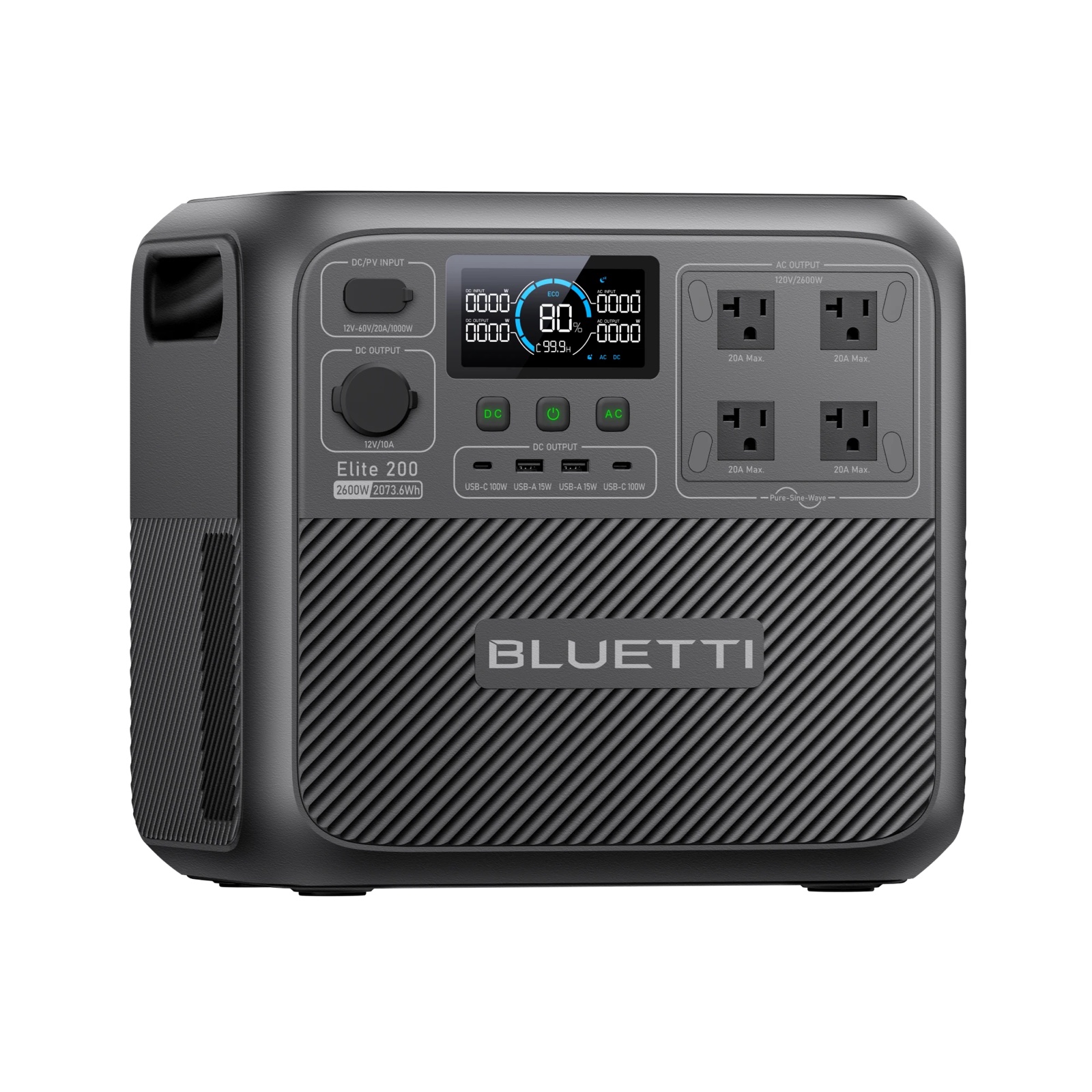
7.7/10A unit that lives on standby for years. The BLUETTI Elite 200 V2 holds 2,073.6 Wh with 2,600 W of continuous output and switches in 15 ms. Its cells are rated for 6,000 cycles to 80%, and it accepts up to 1,000 W of solar, which is the figure that matters when the grid stays down for days. It is Not expandable, so size it correctly the first time.
 7.7/10
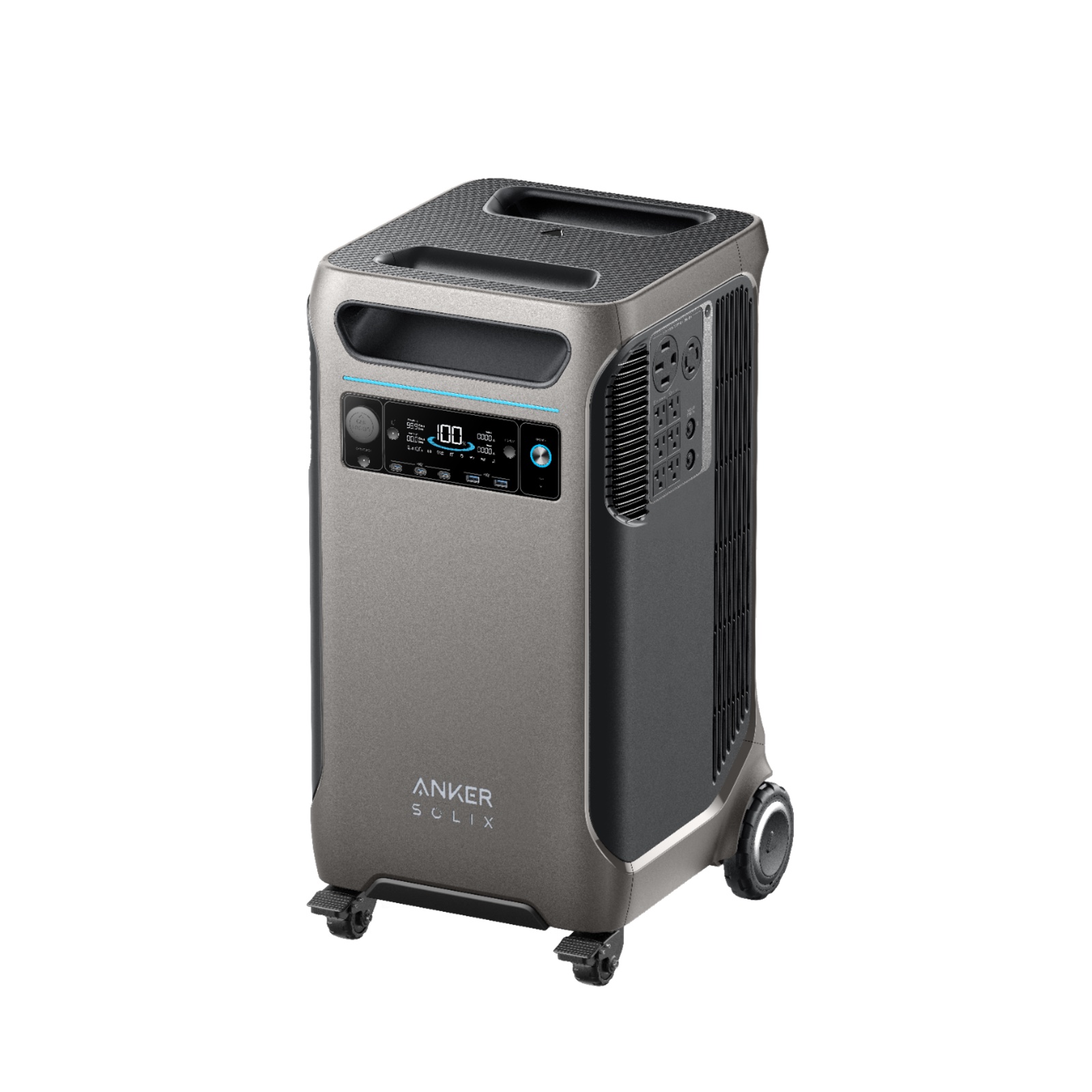
Long outages, or a house with real loads. The Anker SOLIX F3800 holds 3,840 Wh and delivers 6,000 W continuous, which covers appliances the other two cannot. It is Expandable to 26,880 Wh. At 132.3 lb (60.0 kg) this is a wheeled installation that stays where you put it, and it is bought by people whose power goes out for days rather than hours.
 8.1/10
The commonest mistake is keeping the unit in an unheated garage. Cold reduces available capacity and most units refuse to charge below freezing, which means the pack is being stored in the worst possible place for precisely the winter outage it was bought for. Keep it in the heated part of the house.
The second mistake is never exercising it. A pack left untouched for years is a pack nobody has verified. Once or twice a year, unplug the fridge from the wall, run it from the unit for an afternoon, and watch what actually happens. That is a test you can run yourself, and it is worth more than any figure on a specification sheet.
Before buying, put your own fridge, router and any medical device into the run time calculator and read the assumptions it shows. Then compare candidates on the comparison pages, where the specification differences that matter here are set out side by side.
Not through the wall sockets, no. Units at this scale run appliances plugged directly into them. Feeding household circuits requires a transfer switch and an electrician, and the largest units in this catalogue are the only ones designed for that kind of installation. For most households, plugging the fridge and the router in directly is the sensible plan.
Yes, and this is the case where the switchover figure earns its keep. A gap of a few tens of milliseconds is inside what a computer power supply rides through, so the machine never reboots. A router draws very little, so the internet stays up for as long as the pack lasts, which will be a long time.
No, and nothing at this scale can. A heater draws its full rating continuously, which empties even a large pack in hours. Work the arithmetic before assuming otherwise. Heating during an outage belongs to gas, wood or blankets, and the battery belongs to the fridge.
It is one of the better cases for a power station, because a pump runs in short bursts rather than continuously, so the energy involved is modest. The demanding part is the start-up spike. Compare the pump's running wattage against the unit's continuous output, and its starting spike against a conventional surge rating rather than a voltage-lowering boost mode.
Full enough to be useful when the lights go out, which in practice means leaving it plugged in on standby and letting it manage itself. If the unit offers a slower charging mode, use it, because heat ages cells and fast charging makes heat. Lithium iron phosphate tolerates sitting at a high state of charge better than the alternative chemistry does.