 6.8/10
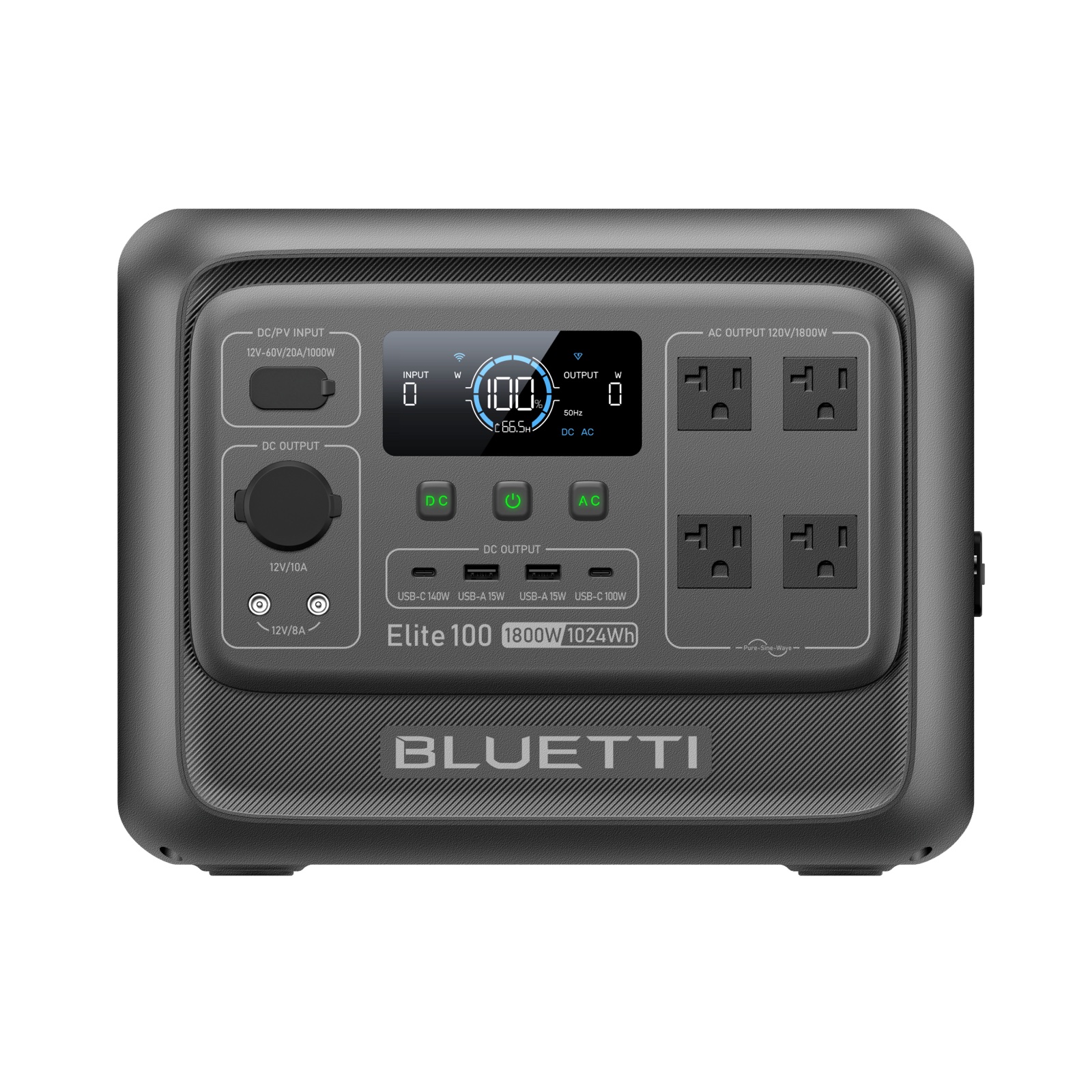
Elite 100 V2 BLUETTI Elite 100 V2
1,024 WhCapacity1,800 WAC output25.0 lb (11.5 kg)Weight10 msUPS switchover
A chest freezer draws 60 W to 150 W while its compressor runs, and runs it around 30% of the time, so the average is close to 30 W. That makes it one of the easiest large appliances to back up: a one kilowatt hour station covers more than a day, and a two kilowatt hour station covers most of a weekend. A full freezer also holds temperature for many hours with no power at all.
PowerStationFacts takes part in the Amazon Services LLC Associates Program. When you buy through a link on this page we may earn a commission, and the price you pay does not change.
The working figure here is 100 W while running, within a range of 60 W to 150 W, at a duty cycle of about 30%. That gives an average draw near 30 W, and at the 85% inverter efficiency this site assumes, roughly 35 Wh for every hour of operation.
Three things make a chest freezer gentler than an upright fridge. The lid opens upward, so cold air does not fall out when you open it. The contents are a large block of thermal mass at well below freezing, which holds temperature between compressor runs. And it is opened rarely. A full chest freezer left shut can hold food safely for a long stretch with no power at all, which means the battery is there to extend that window, not to replace it.
Put your own numbers into the run time calculator if your freezer is an older model, garage sited, or only half full: each of those raises the duty cycle.
The tables below are calculated on the same assumptions used everywhere on this site. The freezer is not one of the listed loads, but the refrigerator row is close cousins with it: read that row and add about 40%, because the freezer's average draw is the lower of the two.
| Appliance | Typical draw | Estimated run time |
|---|---|---|
| Fridge | 120 W | 20 h 43 min |
| CPAP machine | 45 W | 19 h 21 min |
| Router and modem | 15 W | 58 h 2 min |
| Television | 90 W | 9 h 40 min |
| Microwave | 1200 W | 0 h 44 min |
| Appliance | Typical draw | Estimated run time |
|---|---|---|
| Fridge | 120 W | 41 h 27 min |
| CPAP machine | 45 W | 38 h 41 min |
| Router and modem | 15 W | 116 h 3 min |
| Television | 90 W | 19 h 21 min |
| Microwave | 1200 W | 1 h 27 min |
| Appliance | Typical draw | Estimated run time |
|---|---|---|
| Fridge | 120 W | 77 h 43 min |
| CPAP machine | 45 W | 72 h 32 min |
| Router and modem | 15 W | 217 h 36 min |
| Television | 90 W | 36 h 16 min |
| Microwave | 1200 W | 2 h 43 min |
Put plainly: a one kilowatt hour unit carries a chest freezer past a day, a two kilowatt hour unit carries it through a weekend outage, and an expandable unit with solar turns it into something you stop counting. Very little else on this site gives that much return per watt hour.
Running draw is modest. Starting draw is not. A compressor pulls several times its running wattage for an instant as it starts, and a station whose continuous rating only just covers the running figure can still trip on that spike. Surge headroom is what you are buying: Anker SOLIX C2000 Gen 2 is rated 2,400 W continuous against 4,000 W on surge.
Beware of treating every headline surge number as the same measurement. EcoFlow X-Boost and BLUETTI Lifting Power raise the wattage a unit will feed by lowering the output voltage. That suits a resistive load. A compressor motor is not one, and a mode designed for a kettle is not a reason to expect a freezer to start.
An older freezer with a fixed speed compressor starts harder than a recent one. If yours has been in the garage for a decade, buy the headroom.
6.8/10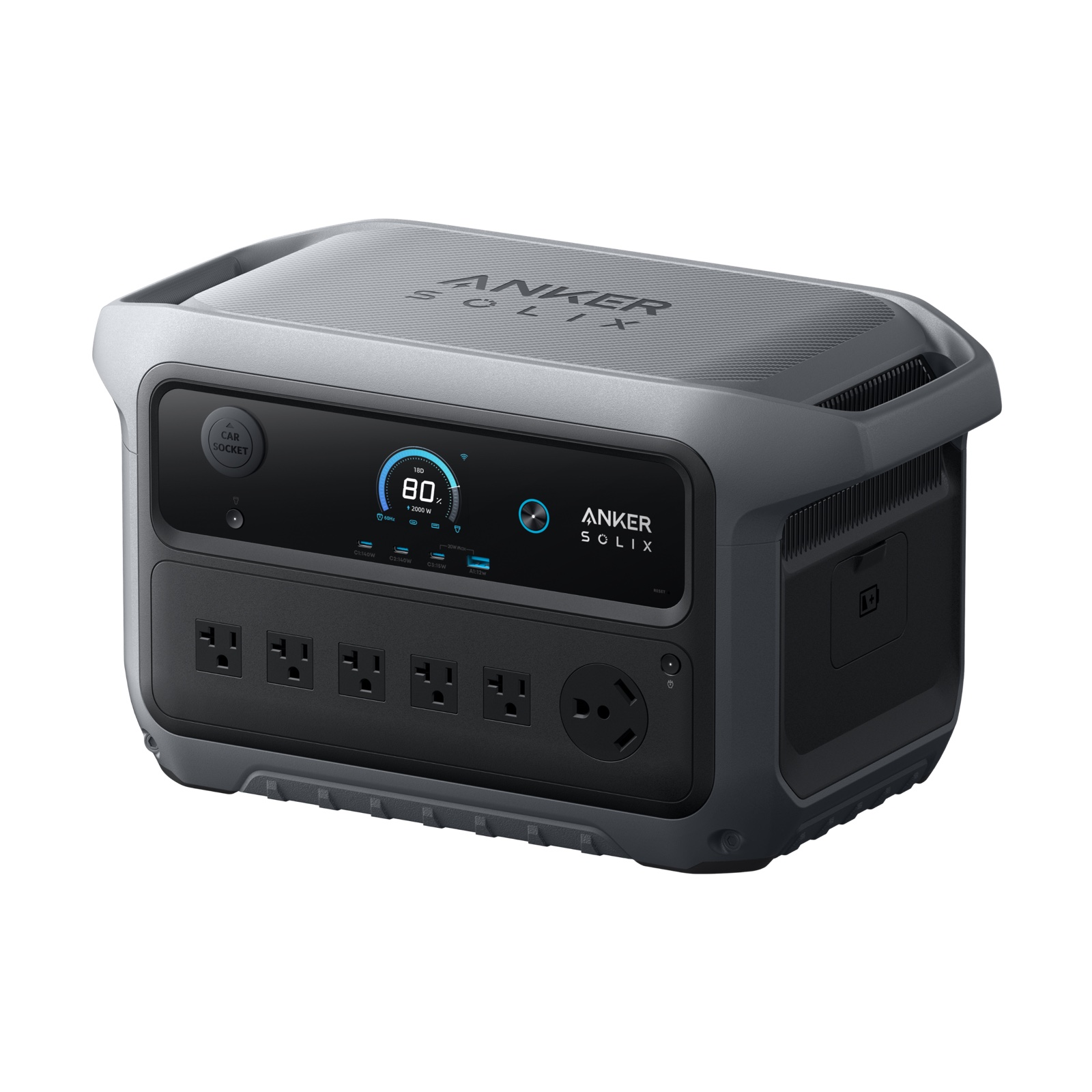
 7.8/10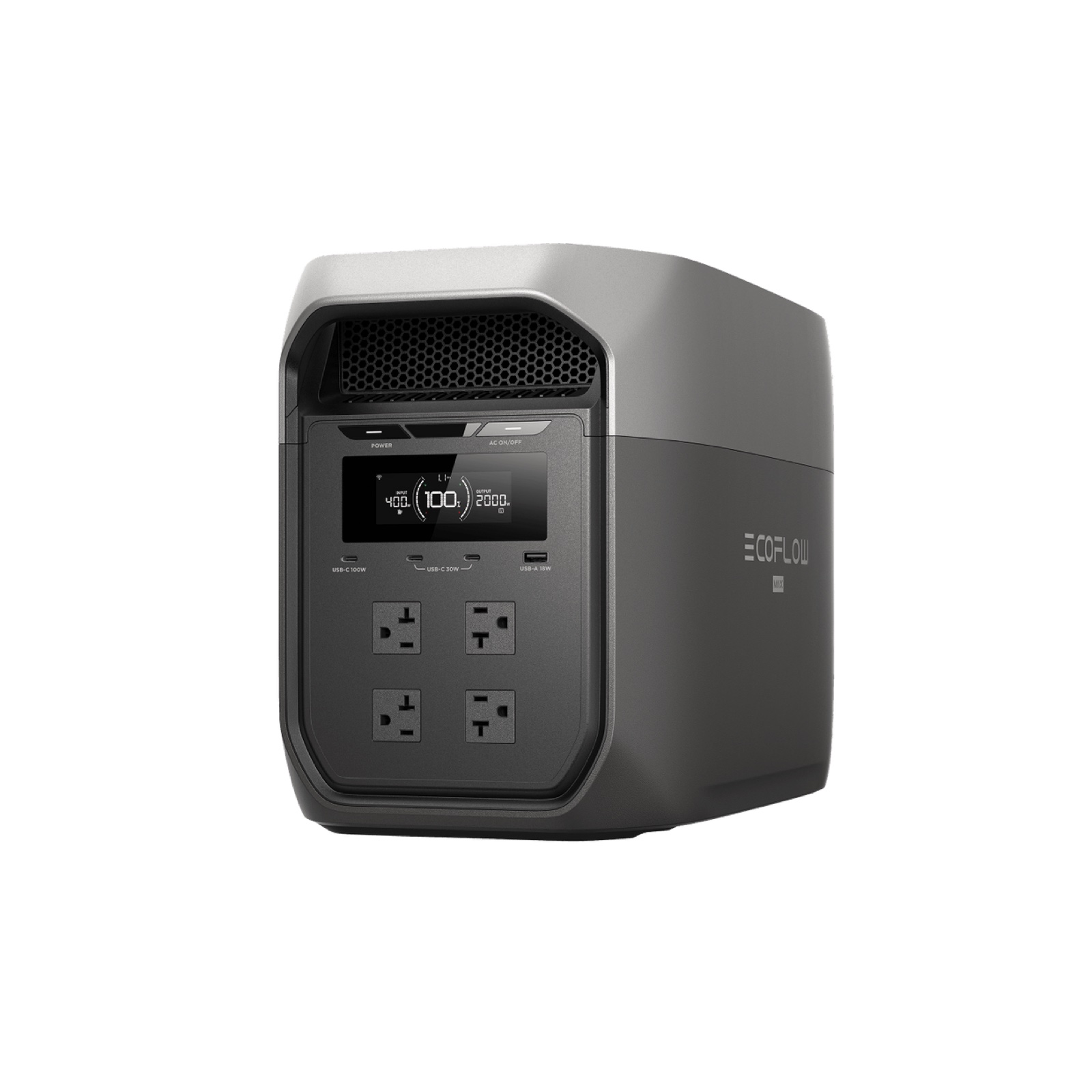
 7.7/10
BLUETTI Elite 100 V2 is enough for a single freezer across a day: 1,024 Wh, 1,800 W of output and 10 ms switchover so the compressor is never interrupted.
Anker SOLIX C2000 Gen 2 is the weekend answer: 2,048 Wh, Expandable to 4,096 Wh, 800 W of solar input and a wall recharge of 1.5 hours, which matters when power returns in short windows.
EcoFlow DELTA 3 Max makes sense when the freezer shares the battery with the rest of the kitchen: 2,400 W of continuous output, 10 ms switchover and Expandable to 10,000 Wh. The comparable fridge case is on the refrigerator page.
The figures used here are common starting points, not measurements of your appliance. The rating plate, usually at the back or inside the lid rim, is the number that applies to you, and if it gives amps, multiply by the mains voltage. Capacity, age and location move the duty cycle more than the plate itself does.
Two corrections apply to the station rather than the freezer. Cold reduces usable capacity, and most units will not charge below freezing, which makes a winter outage the worst case on both counts. And cycle ratings are quoted to a percentage of original capacity, commonly 80%, sometimes 70%, so a well used unit meets its specification while delivering less than it did new. The method page lists every assumption behind these numbers.
A full freezer left shut holds food safely for a long stretch, considerably longer than a half empty one, because the frozen contents are themselves the store of cold. That window is why a modest battery is usually enough: it is extending an appliance that was already coping, not rescuing one that failed instantly.
On the figures used here, around 30 W average across the day, which is roughly 720 Wh at the appliance and near 850 Wh drawn from a battery through an inverter. An older or garage sited unit will exceed that. A plug in energy meter gives the honest figure for yours.
Some can and some cannot, and the deciding specification is surge rather than capacity. Compare the unit's surge rating against a compressor that pulls several times its running wattage at start. Do not rely on a voltage lowering mode such as X-Boost or Lifting Power to make up the difference for a motor.
You can, and the combined average is still modest, but the two compressors can start at the same moment and that is the worst case for surge. If both matter, size the station on both starts occurring together rather than on the sum of the running figures.
Close to it, for a freezer alone, in good conditions. The average draw is low enough that a decent panel offsets most of a day's consumption. Cloud, panel angle and short winter days are what stand between that and a promise, so treat solar as extending runtime rather than replacing capacity.