 7.0/10
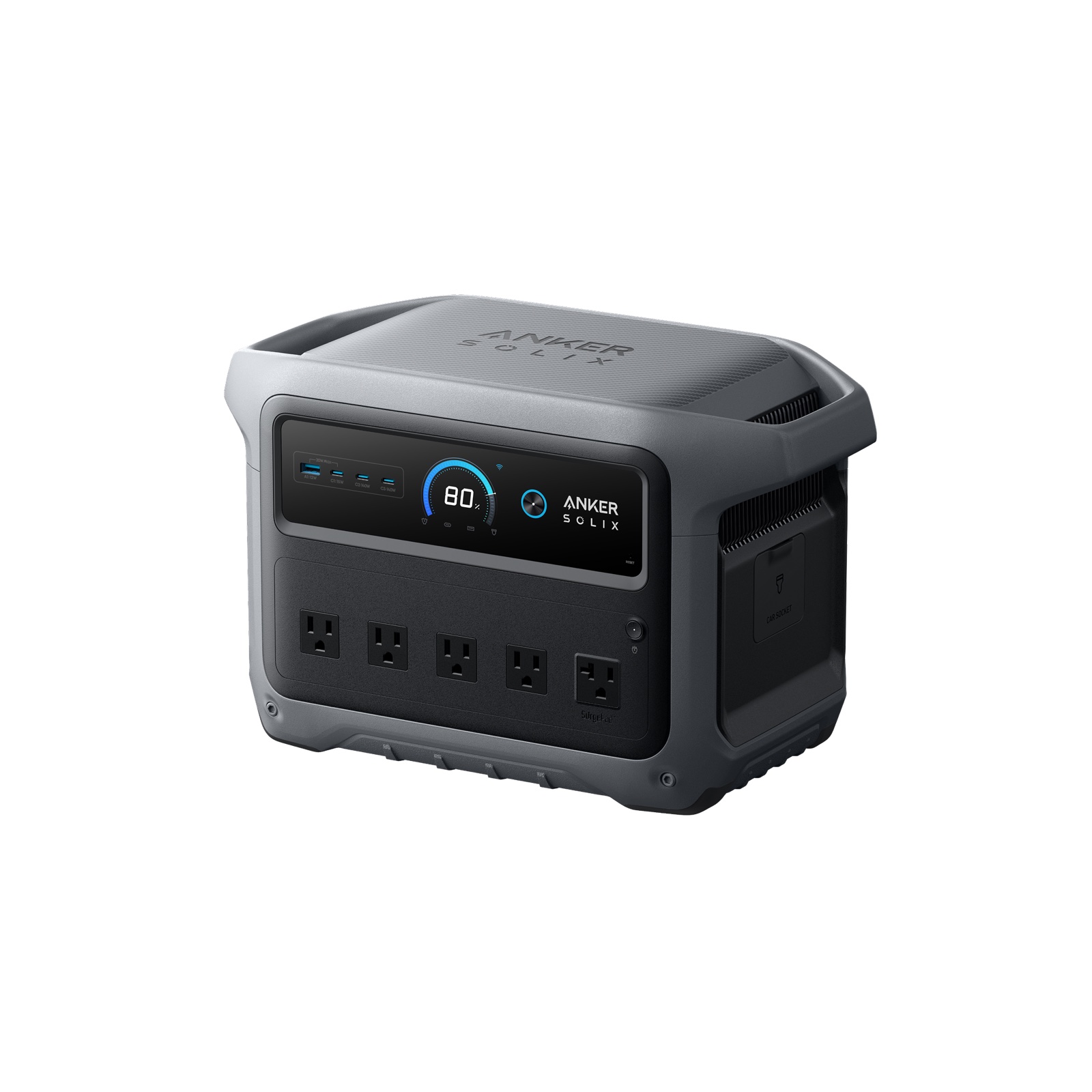
C1000 Gen 2 Anker SOLIX C1000 Gen 2
1,024 WhCapacity2,000 WAC output24.9 lb (11.3 kg)Weight10 msUPS switchover
A household refrigerator draws 80 W to 200 W while its compressor runs, and the compressor runs only about a third of the time. Averaged out that is close to 40 W around the clock, so a unit in the one kilowatt hour class covers most of a day and a two kilowatt hour unit carries an overnight outage with room left. What trips undersized stations is the start-up surge, not the running draw.
PowerStationFacts takes part in the Amazon Services LLC Associates Program. When you buy through a link on this page we may earn a commission, and the price you pay does not change.
This site works from 120 W as a standing figure for a full size fridge, inside a range of 80 W to 200 W that depends on cabinet size, age and efficiency class. No fridge draws that continuously. The compressor pulls the cabinet down to temperature, shuts off, and restarts when the temperature drifts back up. Across a normal day in a normal room it is actually running about 35% of the time.
That leaves an average draw near 42 W. Add the conversion loss between the battery and the mains socket, which this site assumes at 85% because almost no maker publishes a figure, and an hour of refrigeration costs a station roughly 49 Wh. Treat the same fridge as a continuous 120 W load instead and the answer comes out about four times worse. Both numbers are arithmetically correct; only one answers the question people are actually asking. The run time calculator puts both assumptions on screen and lets you move them.
Two things push the real duty cycle up, and both are within your control during an outage: a warm room, and a door that keeps opening.
Each table below applies the same assumptions to a different capacity. The fridge row is the one to read here; the others are there for scale.
| Appliance | Typical draw | Estimated run time |
|---|---|---|
| Fridge | 120 W | 20 h 43 min |
| CPAP machine | 45 W | 19 h 21 min |
| Router and modem | 15 W | 58 h 2 min |
| Television | 90 W | 9 h 40 min |
| Microwave | 1200 W | 0 h 44 min |
| Appliance | Typical draw | Estimated run time |
|---|---|---|
| Fridge | 120 W | 41 h 58 min |
| CPAP machine | 45 W | 39 h 10 min |
| Router and modem | 15 W | 117 h 30 min |
| Television | 90 W | 19 h 35 min |
| Microwave | 1200 W | 1 h 28 min |
| Appliance | Typical draw | Estimated run time |
|---|---|---|
| Fridge | 120 W | 82 h 54 min |
| CPAP machine | 45 W | 77 h 22 min |
| Router and modem | 15 W | 232 h 6 min |
| Television | 90 W | 38 h 41 min |
| Microwave | 1200 W | 2 h 54 min |
The gap between them is linear, because the arithmetic is linear: double the usable capacity and you double the hours. What is not linear is what each unit can start, and that is the next section. A unit near the bottom of this range keeps a fridge cold for the length of a typical evening outage. A unit near the top keeps it cold long enough that the food is no longer the problem.
A compressor motor pulls several times its running wattage for a fraction of a second as it starts. A station whose continuous rating only just covers 120 W can still shut down on that spike. This is what surge ratings are for: Anker SOLIX C1000 Gen 2 is rated 2,000 W continuous and 3,000 W on surge, and that headroom is the part doing the work here.
One distinction matters and is easy to miss. A surge rating is a brief tolerance of start-up current. It is not the same thing as EcoFlow X-Boost or BLUETTI Lifting Power, which run a load above the nominal rating by lowering the output voltage. That trick suits a resistive load such as a kettle or a heating element. It is the wrong tool for a motor, and it should never be the reason you expect a compressor to start.
Older fridges start harder than recent ones. If yours is elderly, or if it is a side by side with an ice maker, buy the surge headroom rather than hoping.
7.0/10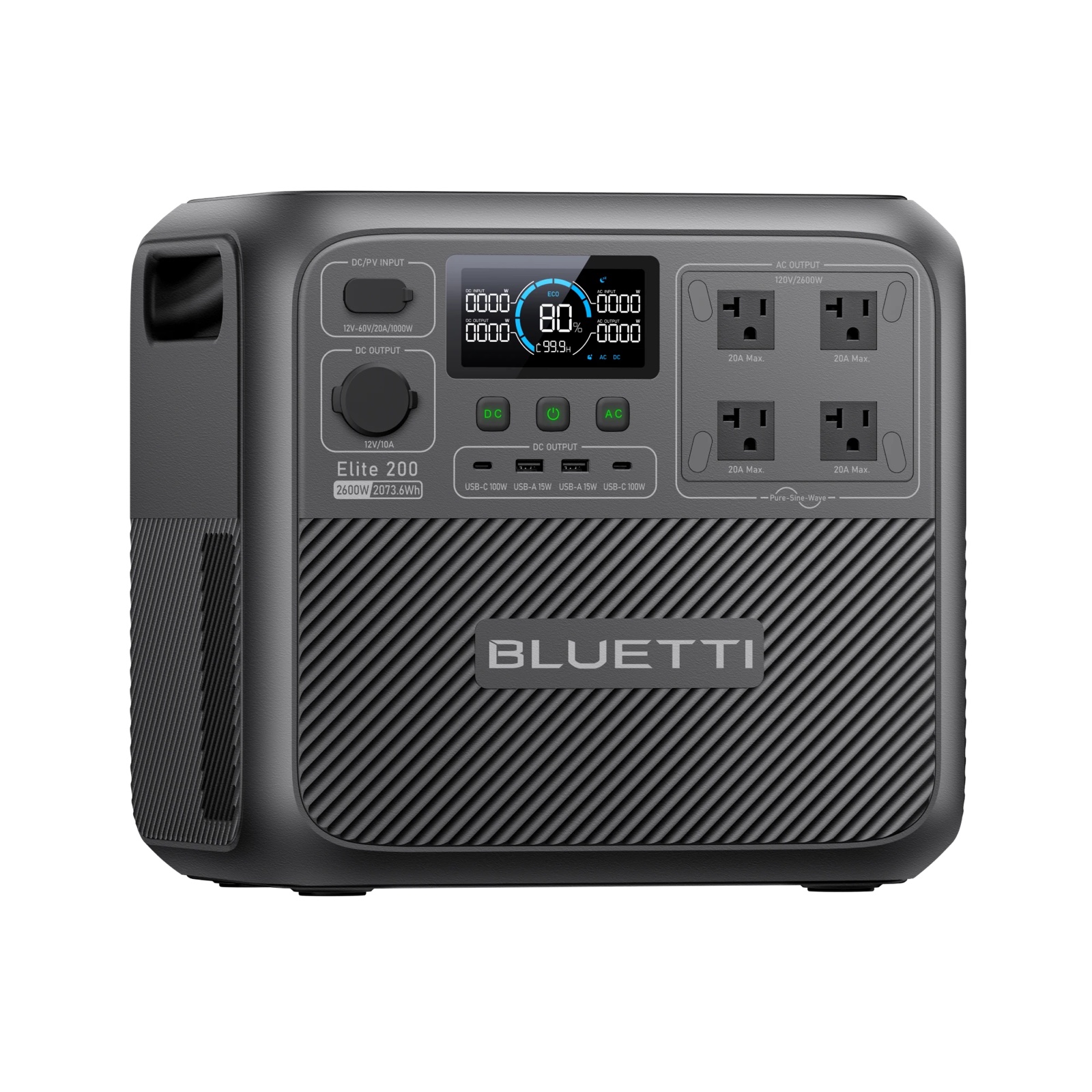
 7.7/10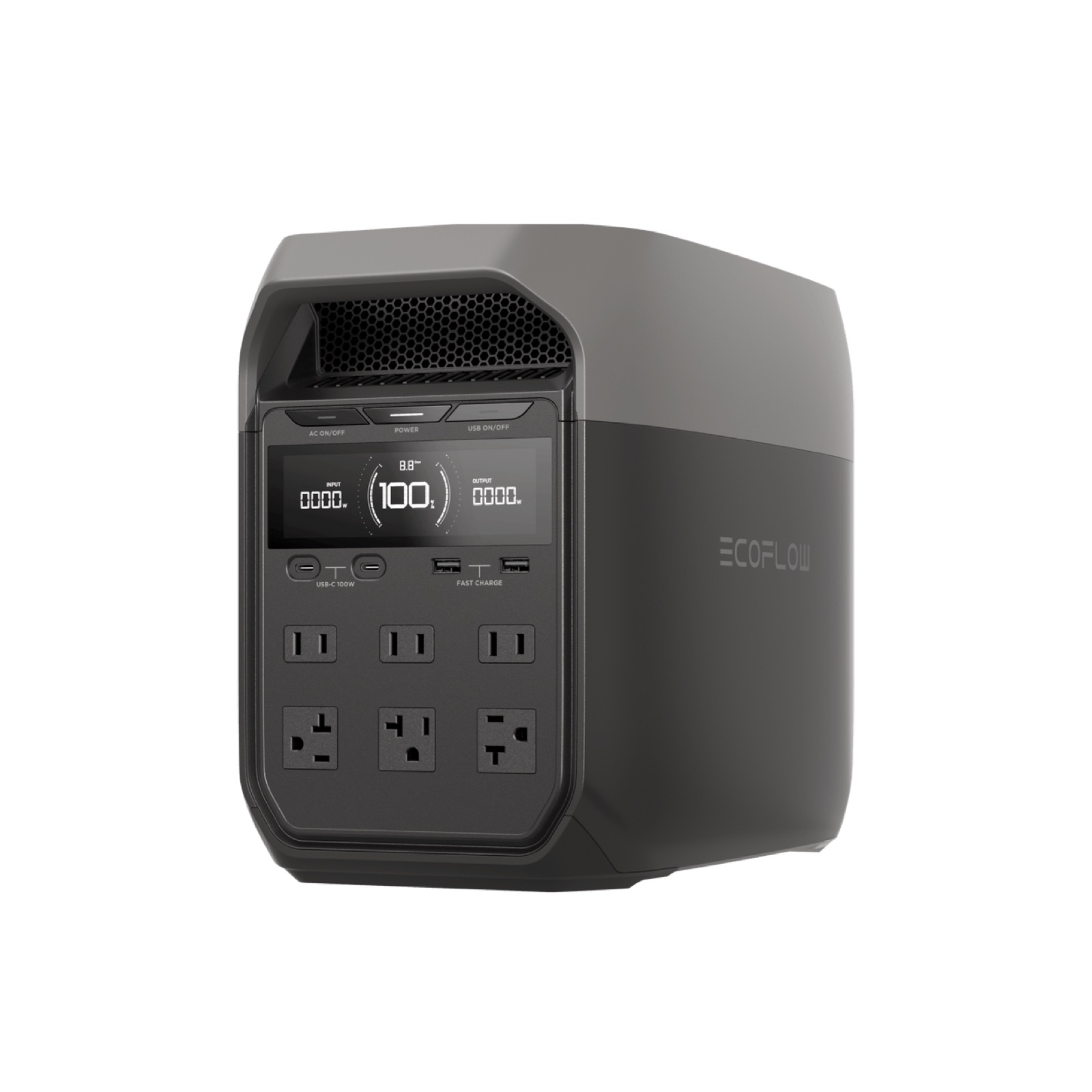
 6.7/10
Anker SOLIX C1000 Gen 2 is the honest entry point: enough surge headroom for a domestic compressor, 10 ms switchover so the fridge never notices the mains dropping, and a weight of 24.9 lb (11.3 kg) that one person can move to wherever the fridge is.
BLUETTI Elite 200 V2 is the one to pick if the goal is an outage lasting more than a night. Its 2,073.6 Wh is double the entry class, its cells are rated 6,000 cycles to 80%, and it takes 1,000 W of solar, which is what turns a fixed number of hours into a fridge that keeps running while the sun is up.
EcoFlow DELTA 3 earns its place on switchover rather than size: 10 ms is fast enough that the fridge is simply never off, and Expandable to 5,000 Wh means the runtime is not fixed at purchase. Compare the two lines directly on C1000 Gen 2 against DELTA 3.
Capacity is the expensive way to buy hours. These are the cheap ways.
The wattages here are common starting points, not measurements of your appliance. The rating plate, usually inside the door frame or on the back, gives the figure that applies to you. If it quotes amps rather than watts, multiply by the mains voltage to get a working number.
Two further corrections are worth making before you trust an estimate. Cold cuts usable capacity, and most units refuse to charge below freezing at all, which makes a winter outage the worst case on both counts. And a cycle rating is quoted to a percentage of original capacity, commonly 80%, sometimes 70%, so a unit near the end of its rated life is meeting its specification while delivering noticeably less than it did new. The method behind these figures sets out every assumption the site makes.
A unit in the one kilowatt hour class will, comfortably, on the assumptions used here: roughly 40 W average draw and 85% inverter efficiency. The tighter question is whether it starts the compressor, which depends on surge headroom rather than capacity. Check the surge rating against a fridge that is old or fitted with an ice maker.
Because they rarely state the duty cycle and efficiency they used to get there. A chart quoting fridge hours has picked both numbers, and without knowing which, no two charts can be compared. The figures here come from one stated pair of assumptions, shown on the calculator and open to adjustment.
That is what the UPS function is for. The station sits between the wall socket and the fridge, passes mains through while it is available, and switches to battery in milliseconds when it is not. The compressor does not notice. Units without that function have to be plugged in by hand after the power fails.
It softens both ends of it. A variable speed compressor modulates rather than cycling hard on and off, which reduces the start-up spike and makes the running draw steadier. The average consumption over a day is what matters for runtime, and that is what the duty cycle figure already approximates.
A combined fridge freezer is covered by the figures on this page. A separate unit is a different load with a lower average draw, set out on the chest freezer page.