 5.0/10
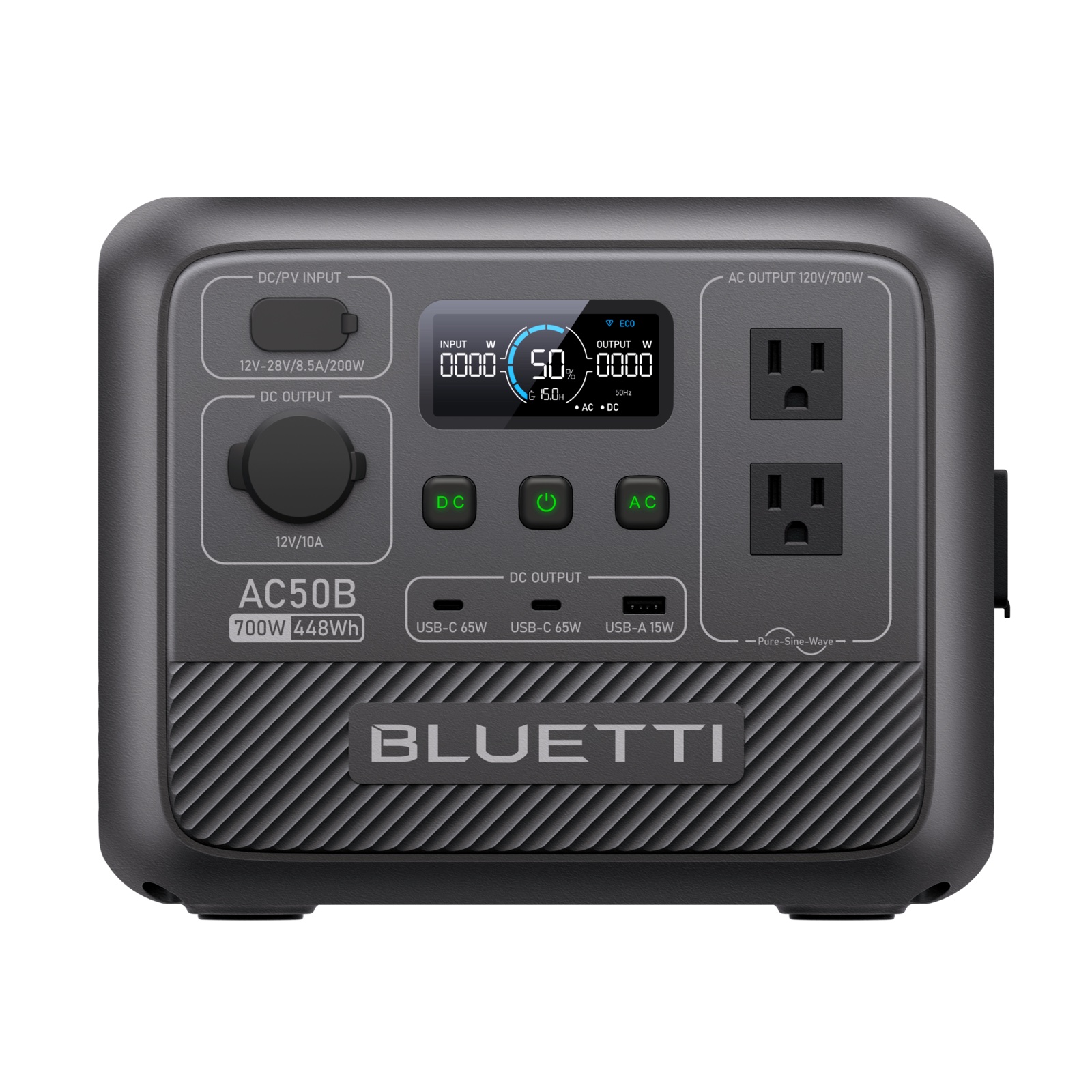
AC50B BLUETTI AC50B
448 WhCapacity700 WAC output14.8 lb (6.7 kg)Weight20 msUPS switchover
A CPAP draws 30 W to 90 W and, unlike a fridge, draws it continuously for as long as you sleep. At the 45 W figure used here, an eight hour night takes about 425 Wh out of a battery once inverter losses are counted. A station around half a kilowatt hour covers one night. Switch the heated humidifier on and the same night costs roughly double.
PowerStationFacts takes part in the Amazon Services LLC Associates Program. When you buy through a link on this page we may earn a commission, and the price you pay does not change.
Therapy equipment is an unusual load for a power station: small, but with no duty cycle to soften it. The machine is pulling current for every hour you are asleep, so the useful unit of measurement is the night.
At 45 W with the inverter at the 85% assumed here, an eight hour night costs roughly 425 Wh. That is a comfortable single night from a station in the half kilowatt hour class, two nights from a one kilowatt hour unit, and four nights or more from a two kilowatt hour unit. Work your own machine through the run time calculator with the figure from its own label and the hours you actually sleep.
A heated humidifier changes the picture more than any other setting. The heater plate is a resistive load running alongside the blower, and on many machines it roughly doubles average consumption. A heated hose adds more again. Both are the first things to turn off when the battery is what you have.
Read the CPAP row. The rest of each table is there to show what else the same battery would have had to cover.
| Appliance | Typical draw | Estimated run time |
|---|---|---|
| Fridge | 120 W | 9 h 4 min |
| CPAP machine | 45 W | 8 h 28 min |
| Router and modem | 15 W | 25 h 23 min |
| Television | 90 W | 4 h 14 min |
| Microwave | 1200 W | 0 h 19 min |
| Appliance | Typical draw | Estimated run time |
|---|---|---|
| Fridge | 120 W | 20 h 43 min |
| CPAP machine | 45 W | 19 h 21 min |
| Router and modem | 15 W | 58 h 2 min |
| Television | 90 W | 9 h 40 min |
| Microwave | 1200 W | 0 h 44 min |
| Appliance | Typical draw | Estimated run time |
|---|---|---|
| Fridge | 120 W | 41 h 27 min |
| CPAP machine | 45 W | 38 h 41 min |
| Router and modem | 15 W | 116 h 3 min |
| Television | 90 W | 19 h 21 min |
| Microwave | 1200 W | 1 h 27 min |
The small unit is a one night device: enough for a night of therapy with the humidifier off, and not much more. The middle one turns a single night into a weekend, or covers one night with the humidifier running. The large one stops the question being about nights at all and starts making it about how you recharge.
Most of these machines are 12 V or 24 V devices with a mains adapter in the cable. Many makers sell a DC cord that runs the machine from a car socket, which bypasses the station's inverter completely. That removes the conversion loss and, just as usefully, the inverter's own idle draw, which is not trivial over eight hours of a tiny load.
Whether that is available, and which cord is the correct one, is a question for the manufacturer of your machine. Do not improvise a voltage or a connector. Where no DC option exists, the AC socket is the answer and the 85% assumption applies.
One consequence worth naming: a battery with no mains socket at all cannot run a CPAP from its adapter. Anker SOLIX C300 DC and Anker SOLIX C200 DC are USB-C only units, excellent for a laptop and useless here unless your machine has a supported DC cord.
5.0/10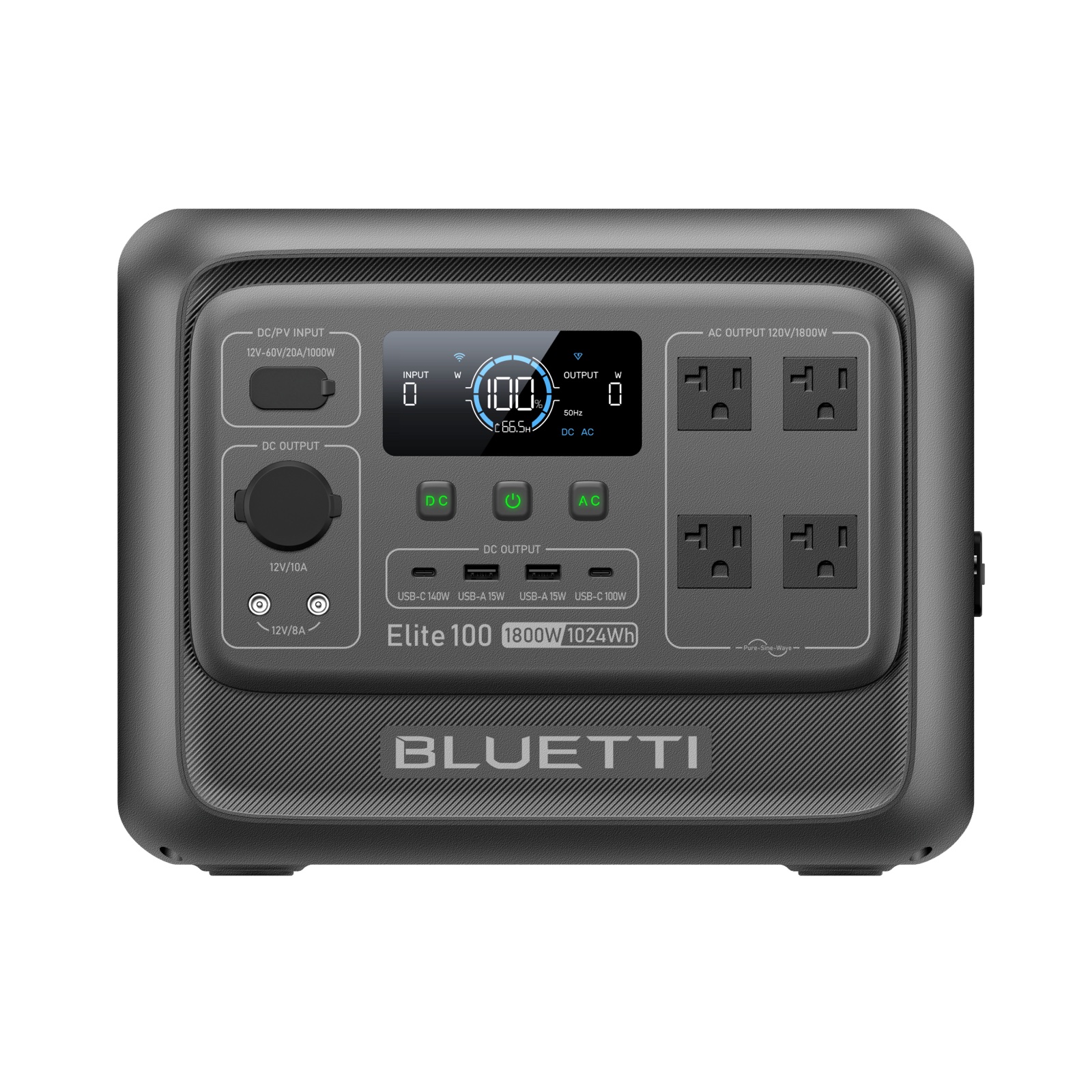 6.8/10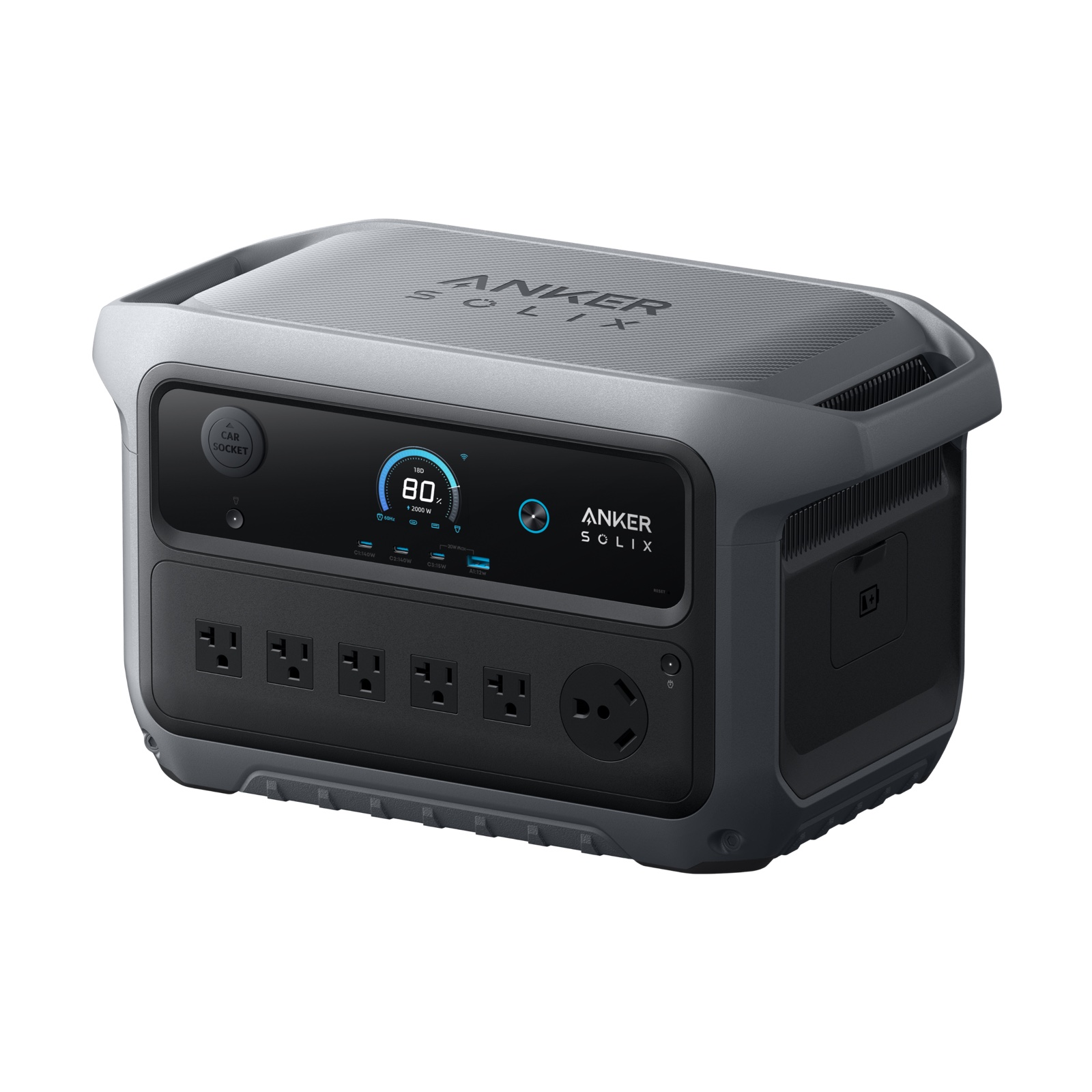
 7.8/10
BLUETTI AC50B is the travel option: 448 Wh and 14.8 lb (6.7 kg), which is small enough to take on a trip and enough for a night of unheated therapy. Its 700 W of continuous output is far more than the machine needs, so the limit here is purely capacity.
BLUETTI Elite 100 V2 is the sensible home unit: 1,024 Wh, 10 ms switchover so an outage in the middle of the night does not interrupt therapy, and 4,000 cycles to 80% of rated life, which matters for something charged and discharged every night.
Anker SOLIX C2000 Gen 2 is for people who want the question settled: 2,048 Wh, Expandable to 4,096 Wh, and a wall recharge of 1.5 hours so a short window of restored power refills it between nights.
This site is documentary. It compares published specifications and does the arithmetic in the open. It is not medical advice and it does not replace the guidance of the company that made your machine, your equipment supplier or your clinician. If your therapy is something you cannot safely go without, raise the plan with them before an outage rather than after.
Three practical points that follow from that. Confirm with the maker that battery operation is supported, and on which cord. Test the whole chain on a night when nothing depends on it, so you learn what the machine does as the battery empties. And keep the wattage figure from your own label rather than the 45 W used here, because pressure setting, mask leak and humidifier use all move it.
On the figures used here, about 360 Wh at the machine over eight hours, or roughly 425 Wh drawn from the battery once inverter losses are included. With a heated humidifier running, expect that to roughly double. Your own machine's label and your own sleep hours give a better number than any average.
You can, and it is the single most expensive setting on the machine. The heater plate is a continuous resistive load on top of the blower. If the battery has to last an unknown number of nights, turn the humidifier and any heated hose off first and keep the therapy itself running.
Where the maker sells one, yes, because it avoids both the inverter conversion loss and the inverter's idle draw. It has to be the cord specified for your machine. Never substitute a generic lead or guess at a voltage: ask the manufacturer which accessory is correct.
A unit with a UPS function will, and it is the reason to prefer one. Switchover is quoted in milliseconds, far shorter than the machine's tolerance. Without that function you have to wake up and plug the machine in, which is exactly the situation a battery was meant to avoid.
A higher pressure setting makes the blower work harder, so yes, consumption rises with it, and a poorly fitting mask that leaks makes the machine compensate continuously. Neither is captured by a single average wattage, which is why the label figure and a real test night are worth more than a table.